At WARA, care is not just a service - it is a lived experience.
Our blog shares practical insights, real-life situations, and stories from the
world of caregiving, elderly support, recovery, and family coordination. From
understanding daily care challenges to learning how to handle critical moments,
we focus on making care more clear, human, and manageable.
We also share perspectives from caregivers, families, and community experiences
to highlight what truly matters in care - consistency, empathy, and trust.
Through these stories and insights, we aim to help families make better
decisions, stay informed, and feel more confident in managing care for their
loved ones.
Files inside these directories will be shown in reverse chronological order.
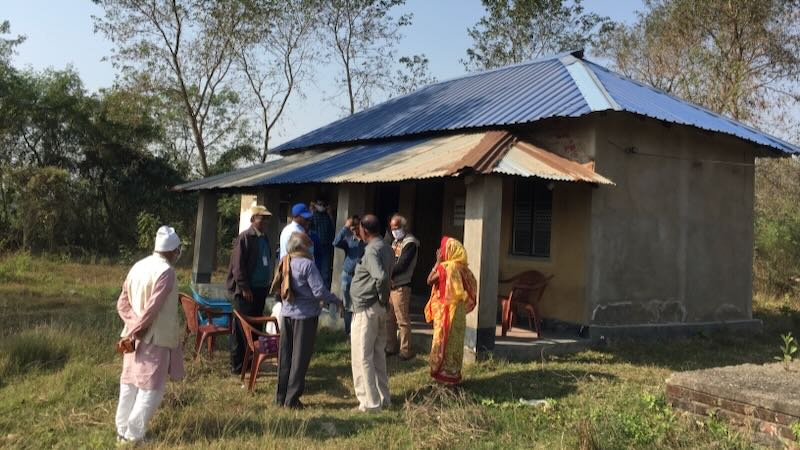
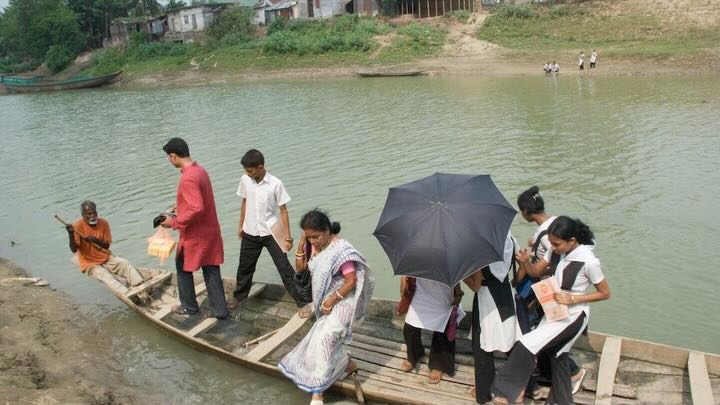
Remote Health Centers - Bringing Healthcare Closer, Without Leaving the Village
Remote Health Centers connect local communities with doctors through trained health workers, structured processes, and technology. Learn how coordinated care systems can make healthcare accessible, timely, and reliable in rural and underserved areas.
Accessing a doctor should not require a full day of travel.
In many rural and semi-urban areas, a simple consultation often means long
journeys, lost income, and delayed treatment. For elderly individuals and
chronic patients, this delay can make conditions worse over time.
But what if care could begin where people already are?
Remote Health Centers are designed to solve this exact problem - by bringing
structured healthcare access closer to communities without depending entirely on
physical hospitals.
What Are Remote Health Centers
Remote Health Centers are small, locally operated care points where basic health
assessment is done, and doctors are connected remotely through a coordinated
system.
Instead of replacing hospitals, they act as an access layer that connects:
Patients in villages
Trained local health workers
Doctors in cities
Diagnostic and hospital networks
Care does not need to move. The system connects it.
How the System Works
The process is simple for the patient, but structured behind the scenes.
Step 1: Visit the Local Center
The patient visits a nearby care point within the community.
There is no long travel, no waiting in crowded hospitals, and no disruption to
daily life.
Step 2: Local Health Worker Assessment
A trained caregiver or health worker:
Checks vital signs
Understands symptoms
Records basic observations
This ensures that the case is documented clearly before doctor involvement.
Step 3: Digital Record Creation
All details are recorded in a structured system (similar to a Care Ledger or
EMR):
Patient history
Current symptoms
Observations
This creates continuity for future visits.
Step 4: Remote Doctor Consultation
A doctor reviews the case remotely:
Through video or structured reporting
Based on recorded data and observations
This allows expert consultation without requiring travel.
Step 5: Guidance and Next Steps
The patient receives:
Prescription or advice
Referral if needed
Follow-up plan
The local center helps coordinate the next steps.
The patient experiences simplicity. The system handles complexity.
Why This Model Matters
For many families, healthcare challenges are not medical - they are logistical.
Common problems include:
Distance from hospitals
Travel costs and time
Delayed consultations
Lack of continuous follow-up
Remote Health Centers reduce these barriers by making care:
Accessible - closer to home
Timely - faster consultation
Affordable - reduced travel and cost
Consistent - structured follow-ups
The Role of Local Caregivers
One of the most important parts of this model is the local workforce.
Trained caregivers and health workers:
Become the first point of contact
Build trust within the community
Support ongoing care and monitoring
This not only improves healthcare access but also creates local livelihood
opportunities.
Connecting to a Larger Care System
Remote Health Centers work best when they are part of a larger system.
When integrated properly, they connect with:
HomeCareNet → for ongoing home support
ElderCareNet → for monitoring and coordination
HealthCareNet → for doctor and diagnostic access
DharmaCareNet → for community-level care access
This ensures that care is not isolated, but continuous.
Beyond Consultation - Building Continuity
The real value of this model is not just consultation, but continuity.
With structured tracking:
Patient history is preserved
Follow-ups are easier
Risks are identified early
Healthcare improves when information is not lost between visits.
Challenges to Be Solved
While the model is powerful, execution matters.
Key challenges include:
Training quality of local workers
Reliable connectivity and systems
Consistent protocols
Coordination between services
Without structure, the system can break down.
With the right processes, it becomes scalable and reliable.
A Step Toward Accessible Healthcare
Healthcare should not depend on geography.
Remote Health Centers show that with the right combination of:
Local presence
Trained workforce
Structured systems
Technology-enabled coordination
care can reach people without requiring them to travel far.
Final Thought
Good healthcare is not only about hospitals.
It is about access, continuity, and coordination.
Remote Health Centers bring these elements together by connecting people,
processes, and technology into a single system.
When care is structured and connected, distance stops being a barrier.
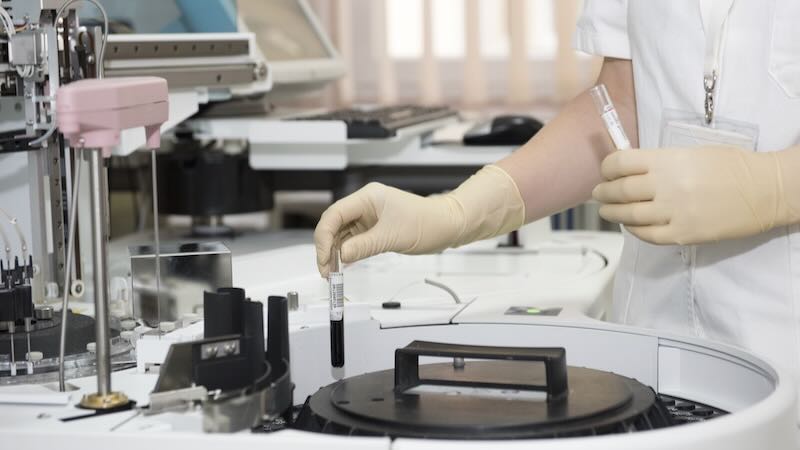
Partner Pathology Labs - Faster Diagnosis, Smarter Care at the Local Level
Partner Pathology Labs connect local sample collection with certified labs and doctors through a coordinated system, enabling faster diagnosis, lower costs, and timely treatment without requiring patients to travel long distances.
Diagnosis should not be delayed because of distance.
In many areas, especially rural and semi-urban regions, even a basic test can
mean hours of travel, added expenses, and waiting days for results. During this
time, treatment is delayed, and small issues can turn into serious conditions.
Partner Pathology Labs are designed to solve this gap by bringing diagnostic
access closer to the patient, while keeping quality and accuracy intact.
Treatment begins with diagnosis. Delayed diagnosis means delayed care.
What Are Partner Pathology Labs
Partner Pathology Labs are part of a connected care system where:
Samples are collected locally
Testing is done at certified labs
Results are shared digitally
Doctors review and act quickly
They act as a bridge between local access and centralized expertise.
Instead of moving the patient, the system moves the process.
Why Diagnostics Are Critical
Many medical decisions depend on accurate and timely test results.
Without proper diagnostic access:
Conditions remain undiagnosed
Treatment is delayed
Doctors rely on incomplete information
Follow-ups become inconsistent
Diagnostics are not optional - they are the foundation of effective care.
How the System Works
The process is simple for the patient, but coordinated behind the scenes.
Step 1: Doctor Recommends Tests
During consultation:
Required tests are identified
Orders are recorded in the system
This ensures clarity and avoids unnecessary testing.
Step 2: Local Sample Collection
A trained caregiver or health worker collects samples:
Blood, urine, or other required tests
Done at home or local center
This removes the need for travel.
Step 3: Sample Transfer to Partner Lab
Samples are sent to a certified nearby lab:
Selected based on quality and reliability
Ensures accurate testing standards
Step 4: Digital Report Generation
Test results are uploaded to a structured system (similar to Care Ledger / EMR):
Reports are stored
Doctors receive access immediately
Records remain available for future reference
Step 5: Doctor Review and Treatment Update
The doctor reviews results and:
Confirms or updates diagnosis
Adjusts medication
Recommends next steps
All without requiring the patient to travel again.
The patient stays in place. The system moves faster.
What This Changes for Patients
Faster Diagnosis
Reduced waiting time
Early identification of issues
Quicker start of treatment
Lower Cost
No travel expenses
No repeated visits
Reduced indirect costs
Better Continuity
Reports stored and accessible
Easier follow-up consultations
Improved long-term care
Improved Accuracy
Doctors work with complete data
Reduced guesswork
Better treatment decisions
Role of Local Caregivers
Local caregivers and health workers play a key role:
Sample collection
Patient coordination
Follow-up support
This ensures that diagnostics are accessible and reliable within the community.
Integration with the WARA Care System
Partner Pathology Labs work as part of a larger ecosystem:
HealthCareNet → Doctor consultation and diagnosis
HomeCareNet → Ongoing support at home
ElderCareNet → Monitoring and coordination
DharmaCareNet → Community-level access
Platform (Care Ledger) → Data tracking and visibility
This ensures that diagnostics are not isolated, but part of a continuous care
flow.
Why Coordination Matters
Diagnostics alone are not enough.
The real value comes from:
Connecting results to doctors
Linking diagnosis to treatment
Ensuring follow-ups happen
Without coordination, reports become disconnected pieces of information.
With a system, they become actionable insights.
Challenges in Implementation
To make this model reliable, certain factors are critical:
Quality of partner labs
Timely sample transport
Accurate data entry
System integration
Without these, delays and errors can occur.
With structure, diagnostics become dependable.
A Step Toward Accessible Healthcare
Healthcare should not depend on location.
By combining:
Local sample collection
Trusted lab partnerships
Digital reporting
Coordinated doctor access
Partner Pathology Labs make diagnostics faster, more accessible, and more
effective.
Final Thought
A simple test at the right time can prevent a major health crisis.
Partner Pathology Labs ensure that diagnosis is no longer a barrier, but a
foundation for better care.
When diagnosis is fast and connected, treatment becomes timely and effective.
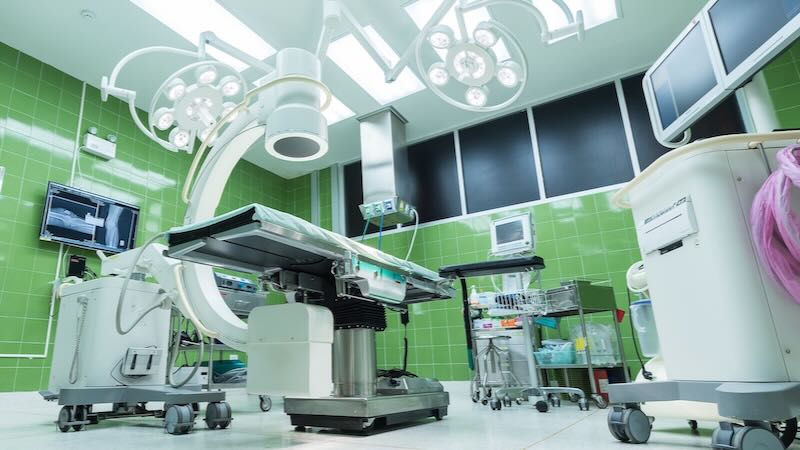
Partner Government Hospitals - Coordinated Access to Timely Surgery and Advanced Care
Partner Government Hospitals connect patients to trusted public healthcare facilities through a structured referral and coordination system, ensuring timely surgery, reduced delays, and better treatment outcomes without confusion or unnecessary travel.
Serious illness becomes more stressful when the path to treatment is unclear.
For many families, especially in rural and semi-urban areas, needing surgery or
advanced care often leads to confusion:
Which hospital to go to
Whether a bed is available
How long the wait will be
What documents or preparation are required
Delays in these steps can make conditions worse and increase both cost and risk.
Partner Government Hospitals are designed to simplify this journey by connecting
patients to the right facility in a structured and coordinated way.
The challenge is not only treatment - it is reaching the right treatment on
time.
What Are Partner Government Hospitals
Partner Government Hospitals are part of a coordinated care system where:
Patients are assessed locally
Cases are evaluated and prepared
Hospitals are identified and aligned
Admission and procedures are pre-coordinated
Instead of leaving families to navigate the system alone, the process is guided
step by step.
Why Hospital Coordination Matters
Government hospitals offer some of the most affordable and capable healthcare
services.
However, access is often difficult due to:
High patient load
Lack of clear entry points
Long waiting times
Administrative complexity
Without coordination:
Patients travel multiple times
Cases are delayed
Critical windows are missed
With coordination, the same system becomes accessible and efficient.
How the System Works
The process begins early and moves step by step.
Step 1: Local Diagnosis and Assessment
The patient is first evaluated through:
Remote Health Center or local care point
HealthCareNet consultation
Diagnostic support (if required)
This ensures that the case is clearly understood before referral.
Step 2: Case Preparation
Before hospital referral:
Medical records are organized
Diagnostic reports are compiled
Case severity is assessed
This avoids delays at the hospital level.
Step 3: Hospital Coordination
A suitable government hospital is identified based on:
Required treatment or surgery
Availability of specialists
Proximity and accessibility
The system coordinates:
Appointment or admission
Bed availability
Operating schedule (if surgery required)
Step 4: Planned Patient Movement
The patient is advised to travel only when everything is ready.
This reduces:
Unnecessary visits
Waiting time at hospitals
Travel-related stress
Step 5: Admission and Treatment Support
During hospital care:
Coordination continues
Family is guided through processes
Treatment progress is tracked
Step 6: Post-Treatment Follow-Up
After discharge:
Recovery is monitored
Follow-ups are scheduled
Home support is arranged if needed
Care does not end at admission. It continues until recovery.
What This Changes for Families
Reduced Confusion
Clear pathway from diagnosis to treatment
No guesswork about where to go
Faster Access to Surgery
Pre-coordinated scheduling
Reduced waiting time
Lower Cost Burden
Better use of public healthcare
Reduced unnecessary travel
Better Continuity of Care
Records remain connected
Follow-ups are structured
Integration with the WARA Care System
Partner Government Hospitals work within a larger ecosystem:
HealthCareNet → Diagnosis and medical coordination
HomeCareNet → Pre and post-hospital care
ElderCareNet → Monitoring and family coordination
Diagnostics Network → Supporting test reports
Platform (Care Ledger) → Complete case tracking
This ensures that hospital care is not isolated, but part of a continuous
journey.
The Role of Coordination
Hospitals provide treatment, but coordination ensures access.
WARA’s role is to:
Prepare the case properly
Align with the right hospital
Ensure timing and readiness
Support families through the process
Coordination transforms access into actual care.
Challenges in Real-World Execution
To make this system reliable, certain factors must be managed:
Strong hospital relationships
Accurate case documentation
Timely communication
Patient readiness and compliance
Without structure, delays happen.
With coordination, outcomes improve.
A Bridge to Public Healthcare
Public healthcare systems are powerful but often underutilized due to access
barriers.
By building structured connections, Partner Government Hospitals:
Improve accessibility
Reduce system inefficiencies
Ensure better use of available infrastructure
Final Thought
Surgery and advanced care should not be delayed because of confusion or lack of
guidance.
Partner Government Hospitals ensure that patients reach the right place, at the
right time, with the right preparation.
When access is coordinated, healthcare becomes timely, effective, and
dependable.
Preventive Health Centers - Building Health Before Illness Begins
Preventive Health Centers focus on early detection, maternal care, immunization, and continuous monitoring to reduce health risks before they become serious. Learn how structured preventive care systems improve outcomes for families and communities.
Healthcare should not begin only when someone falls sick.
In many communities, especially in rural and semi-urban areas, care often starts
late - after symptoms worsen or complications appear. This delay increases risk,
cost, and stress for families.
Preventive Health Centers are designed to change this approach by focusing on
early detection, regular monitoring, and continuous care.
Good health is not built in hospitals. It is maintained every day.
What Are Preventive Health Centers
Preventive Health Centers are community-level care points focused on maintaining
health rather than treating illness.
They provide:
Routine health checkups
Maternal and child care support
Immunization tracking
Nutrition and wellness guidance
Early risk identification
Instead of reacting to illness, they create a system where health is tracked
and supported continuously.
Why Prevention Matters
Many serious health conditions begin with small, unnoticed changes.
Without regular monitoring:
Pregnancies become high-risk
Children miss critical vaccinations
Nutrition issues go undetected
Chronic conditions develop silently
By the time symptoms appear, treatment becomes more complex and costly.
Preventive care ensures that risks are identified early and managed on time.
How the System Works
Preventive care requires consistency, not one-time effort.
Step 1: Community Identification
Local caregivers and health workers identify:
Pregnant women
Infants and young children
Elderly individuals
High-risk families
This creates a structured base for ongoing care.
Step 2: Digital Tracking and Scheduling
Each individual is tracked through a structured system (similar to a Care
Ledger):
Health records are maintained
Checkups are scheduled
Vaccination timelines are tracked
This ensures that no follow-up is missed.
Step 3: Regular Checkups and Follow-Ups
Care is delivered through:
Home visits
Local center checkups
Health workers monitor:
Vital signs
Growth and nutrition
Pregnancy progress
Recovery patterns
Step 4: Risk Identification and Alerts
If any issue is detected:
The system flags high-risk cases
Follow-up is prioritized
Additional support is arranged
This prevents minor issues from becoming serious conditions.
Step 5: Doctor Support When Needed
When required:
Cases are connected to doctors remotely
Advice is provided
Referrals are made if necessary
This ensures timely medical intervention without unnecessary delays.
Prevention works when care is continuous and coordinated.
Focus Areas of Preventive Care
Maternal Care
Regular pregnancy monitoring
Early identification of complications
Nutritional guidance
Child Health and Immunization
Vaccination tracking
Growth monitoring
Early development support
Nutrition and Wellness
Diet awareness
Risk of malnutrition detection
Lifestyle guidance
Early Detection of Illness
Identifying warning signs
Monitoring chronic risk factors
Preventing complications
The Role of Local Caregivers
Preventive care depends heavily on local trust and consistency.
Trained caregivers and health workers:
Maintain regular contact with families
Ensure follow-ups are completed
Provide guidance and awareness
This creates a reliable support system within the community.
Connecting to a Larger Care System
Preventive Health Centers become more powerful when integrated into a broader
network.
They connect with:
HealthCareNet → for doctor consultation and diagnostics
HomeCareNet → for home-based support
ElderCareNet → for monitoring and coordination
DharmaCareNet → for community-level delivery
EduCareNet → for trained workforce
This ensures that preventive care is not isolated, but part of a continuous
system.
Long-Term Impact
Preventive care creates long-term benefits:
Fewer emergency situations
Lower healthcare costs
Better maternal and child health outcomes
Improved community awareness
Stronger and healthier families
Prevention reduces the need for crisis-based care.
Challenges in Implementation
Preventive systems require discipline and structure.
Key challenges include:
Maintaining regular follow-ups
Ensuring data accuracy
Training local caregivers
Coordinating across services
Without systems, preventive care becomes inconsistent.
With structure, it becomes scalable and effective.
A Shift in Mindset
The biggest change is not technological - it is behavioral.
Moving from:
“Treat when sick” to
“Monitor and prevent continuously”
This shift builds healthier communities over time.
Final Thought
Healthcare should not start at the hospital door.
It should begin at home, in the community, and in everyday routines.
Preventive Health Centers make this possible by combining people, processes,
and systems into a continuous care model.
The future of healthcare is not reactive - it is preventive and connected.
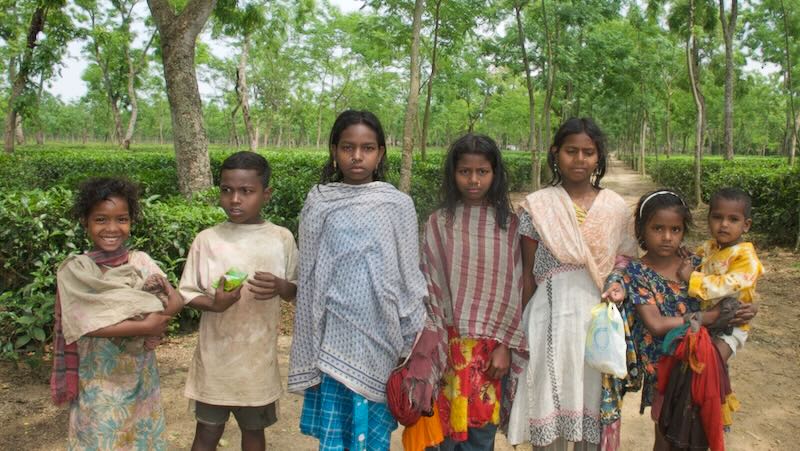
Nurse & Midwife Network - Building a Trusted Care Workforce Within Communities
Nurse and Midwife Networks train and support local women to deliver reliable caregiving, maternal support, and community health services, creating both better health outcomes and sustainable livelihoods.
Care begins with people.
In many communities, especially outside cities, the availability of doctors and
hospitals is limited. But the need for daily care, maternal support, and health
guidance remains constant.
This is where local caregivers - especially nurses and midwives - become the
foundation of healthcare access.
The Nurse & Midwife Network focuses on building a trained, supported, and
trusted workforce within the community itself.
Strong care systems are built by strong people, not just infrastructure.
What Is the Nurse & Midwife Network
The Nurse & Midwife Network is a structured program that:
Identifies and trains local women
Builds caregiving and health support skills
Provides ongoing supervision and guidance
Connects them to a larger care system
It is not just training - it is a complete workforce development model for
care.
Why Local Caregivers Matter
In many real situations:
Patients are more comfortable with familiar faces
Women prefer female caregivers for sensitive care
Language and cultural understanding improve communication
Regular follow-ups require local presence
External healthcare providers cannot always provide this consistency.
Local caregivers bridge this gap by combining trust, accessibility, and
continuity.
How the System Works
The network is designed as a structured pipeline, not an informal setup.
Step 1: Identification and Enrollment
Women from the local community are identified based on:
Interest in caregiving
Basic education and ability to learn
Commitment to work
This ensures long-term reliability.
Step 2: Structured Training (EduCareNet)
Training includes:
Basic caregiving and patient support
Maternal and child health
Hygiene and infection control
Nutrition and preventive care
Basic emergency awareness
This builds both skill and discipline.
Step 3: Supervised Field Work
After training:
Caregivers begin working in real situations
Initial assignments are supervised
Feedback and correction are continuous
This ensures quality control.
Step 4: Ongoing Support and Coordination
Caregivers are connected to a system:
Guidance from supervisors and coordinators
Support from doctors when needed
Structured workflows to follow
They are not working alone, but within a network.
Step 5: Continuous Skill Development
Over time:
Skills are upgraded
Responsibilities increase
Roles evolve into senior caregivers or trainers
Training is not a one-time activity. It is a continuous process.
What This Enables
Better Care Delivery
Consistent presence in the community
Regular monitoring and follow-ups
Improved patient comfort and trust
Improved Maternal and Child Health
Pregnancy monitoring
Postnatal support
Child health tracking
Stronger Preventive Care
Awareness on hygiene and nutrition
Early detection of issues
Reduced health risks
Reliable First Response Layer
Immediate support in basic emergencies
Faster activation of the care system
Livelihood and Empowerment
This model also creates sustainable opportunities.
Local women:
Earn through caregiving roles
Build professional skills
Gain respect and independence
This transforms care work into a structured and dignified profession.
Integration with the WARA Care System
The Nurse & Midwife Network connects directly with:
EduCareNet → Training and certification
HomeCareNet → Daily care delivery
ElderCareNet → Monitoring and coordination
HealthCareNet → Medical support
DharmaCareNet → Community-level deployment
Platform (Care Ledger) → Tracking and supervision
This ensures that caregivers are part of a connected system, not isolated
workers.
Why Structure Matters
Untrained or unsupported caregiving can lead to:
Inconsistent quality
Poor decision-making
Lack of accountability
A structured system ensures:
Standardized care delivery
Continuous supervision
Reliable outcomes
Long-Term Impact
Building a local care workforce creates lasting change:
Increased healthcare access
Reduced dependency on distant facilities
Better community health outcomes
Stronger local economies
When caregivers grow within communities, care becomes sustainable.
Final Thought
Healthcare systems are only as strong as the people delivering care.
The Nurse & Midwife Network ensures that every community has trained, supported,
and trusted caregivers who can provide consistent and reliable support.
When you build caregivers within a community, you strengthen the entire
system.
Mobile Health Clinics - Bringing Structured Care to the Last Mile
Mobile Health Clinics deliver healthcare access to remote areas through scheduled visits, trained caregivers, and connected systems. Learn how coordinated mobile care ensures early detection, treatment, and continuity even in the most underserved regions.
Healthcare should reach people, not wait for people to reach it.
In many remote areas, access to even basic medical care can require hours of
travel. For elderly individuals, children, and daily wage workers, this often
means delaying or completely avoiding treatment.
Mobile Health Clinics are designed to solve this by bringing structured care
directly into underserved communities, without depending on permanent
infrastructure.
When access is difficult, care must move closer to people.
What Are Mobile Health Clinics
Mobile Health Clinics are travelling care units that deliver basic healthcare
services directly to communities.
They function as:
Moving care points
Local health access hubs
Entry points into a larger healthcare system
Instead of replacing hospitals, they ensure that no community is left without
access to initial care and guidance.
Why Mobile Care Matters
In areas with limited infrastructure, common challenges include:
No nearby clinics or hospitals
Delayed diagnosis and treatment
Lack of regular follow-up
Low health awareness
Without access, small issues become serious problems.
Mobile clinics reduce this gap by making care:
Reachable - available within the community
Timely - delivered regularly
Inclusive - accessible to all age groups
What a Mobile Health Clinic Provides
A well-structured mobile clinic is more than a basic van.
Trained caregivers and visiting medical professionals
Digital recording system (Care Ledger / EMR-like tracking)
Referral linkage to higher care facilities
This allows it to act as a complete primary care access point.
How the System Works
Mobile care works best when it is planned and consistent.
Step 1: Scheduled Community Visits
Each mobile unit follows a defined route and schedule:
Weekly or monthly visits
Fixed locations within communities
This creates predictability and trust.
Step 2: Community Awareness
Before each visit:
Local volunteers or coordinators inform residents
Patients are prepared for checkups
This ensures maximum participation.
Step 3: On-Site Checkups and Treatment
During visits, patients receive:
General health checkups
Chronic condition monitoring
Maternal and child health support
Basic medications
This addresses immediate health needs.
Step 4: Digital Recording and Tracking
Patient data is recorded in a structured system:
Health history
Observations
Follow-up requirements
This ensures continuity across visits.
Step 5: Referral and Escalation
If advanced care is needed:
Patients are referred to partner hospitals
Diagnostics or specialist consultations are arranged
Follow-up is coordinated
The mobile clinic is the starting point - not the end of care.
The Role of Consistency
One-time camps create awareness.
Regular visits create impact.
With repeated visits:
Health conditions are tracked over time
Patients follow treatment plans
Trust is built within the community
Care becomes effective when it is continuous, not occasional.
Integration with the WARA Care System
Mobile Health Clinics are part of a broader ecosystem:
HealthCareNet → Doctor consultations and medical support
DharmaCareNet → Community-level access and operations
EduCareNet → Trained local caregivers
Preventive Care Systems → Regular monitoring and follow-ups
Platform (Care Ledger) → Data tracking and coordination
This ensures that mobile care connects into a larger, structured system.
What This Changes for Communities
Improved Access
Healthcare reaches even the most remote areas
No dependence on distant facilities
Early Detection
Regular checkups identify issues early
Prevents complications
Reduced Cost Burden
Less travel
Lower indirect expenses
Increased Health Awareness
Communities become more informed
Preventive habits improve
Challenges in Mobile Healthcare
To make mobile clinics effective, certain challenges must be addressed:
Maintaining consistent schedules
Ensuring trained staff availability
Managing data and follow-ups
Coordinating referrals
Without structure, mobile care becomes temporary.
With systems, it becomes reliable.
A Step Toward Inclusive Healthcare
Mobile Health Clinics ensure that geography does not limit access to care.
By combining:
Mobility
Local engagement
Structured processes
Connected healthcare systems
they bring care to places where infrastructure is limited.
Final Thought
Healthcare should not depend on location.
Mobile Health Clinics prove that with the right system, care can reach even the
last mile.
When care moves closer to people, health outcomes improve for entire
communities.
Emergency Health Centers - Rapid Response When Every Second Matters
Emergency Health Centers provide immediate stabilization, coordinated ambulance response, and hospital linkage through a structured system, ensuring faster action and better outcomes during critical situations.
Emergencies do not give time to prepare.
In critical moments - heart attacks, strokes, accidents, or sudden illness - the
difference between life and death often depends on how quickly the first
response happens.
In many areas, especially outside cities, the biggest challenge is not
treatment, but delay in reaching treatment.
Emergency Health Centers are designed to solve this by ensuring that response
begins immediately, and coordination happens without confusion.
In emergencies, speed matters. But coordination matters even more.
What Are Emergency Health Centers
Emergency Health Centers are local response points designed to:
Provide immediate stabilization
Coordinate ambulance and transport
Connect with doctors remotely
Ensure smooth transfer to hospitals
They are not full hospitals, but first-response systems that activate care
quickly and guide the next steps.
Why Emergency Response Fails
In many real situations, delays happen because:
No one knows what to do first
Ambulance is called too late
Hospitals are not pre-informed
Patient reaches unprepared facilities
These delays reduce survival chances and increase complications.
Emergency systems must solve time, clarity, and coordination together.
How the System Works
The experience for the patient is simple, but the system works in layers.
Step 1: Emergency Trigger
An emergency can be triggered through:
Caregiver presence (HomeCareNet)
Patient or family alert
Monitoring system (future sensors / alerts)
Once triggered, the system activates immediately.
Step 2: Immediate First Response
At the nearest care point or through trained personnel:
Basic stabilization begins
Oxygen, positioning, and initial support
Vital signs are checked
This is critical in the first few minutes.
Step 3: Remote Medical Guidance
Doctors are connected through a structured system:
Case details are shared quickly
Immediate instructions are given
Stabilization is guided in real time
Step 4: Ambulance Coordination
Instead of searching manually:
Nearest ambulance partner is activated
Case details are shared in advance
Transport is aligned with hospital readiness
Step 5: Hospital Preparation
Before the patient arrives:
Hospital is informed
Basic case details are shared
Admission readiness improves
Step 6: Transfer and Continuity
After reaching the hospital:
Treatment continues
Family is supported in coordination
Records remain available for reference
The goal is not just to move the patient, but to move the system with the
patient.
What This Changes for Families
Faster First Response
Immediate action instead of delay
Critical minutes are not lost
Reduced Panic
Clear process during emergencies
Guided steps instead of confusion
Better Survival Outcomes
Early stabilization
Faster hospital readiness
Continuous Support
From home to hospital
Not left alone during critical moments
Integration with the WARA Care System
Emergency Health Centers work within a connected ecosystem:
HomeCareNet → First detection and on-site support
ElderCareNet → Monitoring and emergency coordination
HealthCareNet → Doctor guidance
Hospital Network → Treatment and admission
Platform (Care Ledger) → Case tracking and data flow
This ensures that emergency care is not isolated, but fully coordinated.
The Role of First Responders
One of the most critical parts of emergency care is the first responder
layer.
Instead of maintaining a large fixed team, the system relies on:
Trained caregivers
Local responders
Partner ambulance teams
This makes the model:
Scalable
Cost-effective
Locally responsive
Challenges in Emergency Systems
To make emergency care reliable, systems must handle:
Response time variability
Coordination gaps
Communication delays
Training quality
Without structure, response becomes inconsistent.
With systems, response becomes dependable.
A Safety Layer for Every Home
Emergency Health Centers act as a safety layer that ensures:
Help is reachable
Action is immediate
Coordination is structured
They bring confidence to families who otherwise feel uncertain during crises.
Final Thought
Emergencies cannot be prevented, but their outcomes can be improved.
Emergency Health Centers ensure that when something goes wrong, response is
fast, structured, and coordinated.
In critical moments, a connected system can save lives.
AYUSH Wellness Therapies - Restoring Balance Through Natural and Structured Care
AYUSH Wellness Therapies combine Ayurveda, Yoga, Naturopathy, and holistic practices to support recovery, reduce chronic issues, and build long-term health through personalized and structured care programs.
Not all health problems need aggressive treatment.
Many conditions - stress, chronic pain, digestive issues, fatigue - develop
slowly over time. Treating symptoms alone may provide relief, but often does not
address the root cause.
AYUSH Wellness Therapies focus on restoring balance in the body through
natural, structured, and personalized care approaches.
Healing is not only about removing illness. It is about restoring balance.
What Are AYUSH Wellness Therapies
AYUSH Wellness Therapies are based on traditional systems of care that focus on:
Body balance and internal harmony
Natural healing and recovery
Lifestyle correction
Long-term wellness
They combine practices from:
Ayurveda
Yoga and meditation
Naturopathy
Homoeopathy
Instead of isolated treatments, they provide a holistic and continuous care
model.
Why This Approach Matters
Modern lifestyles often lead to:
Stress and fatigue
Poor digestion and metabolism
Chronic pain and inflammation
Sleep disturbances
These issues are often interconnected.
AYUSH therapies aim to address the underlying imbalance, not just visible
symptoms.
How the System Works
AYUSH care is most effective when it is structured and guided.
Natural healing requires consistency, not quick fixes.
What This Enables
Root-Cause Support
Focus on internal balance
Reduction of recurring issues
Long-Term Wellness
Improved energy and immunity
Better lifestyle habits
Mental and Emotional Balance
Stress reduction
Improved focus and sleep
Safer Recovery Path
Minimal side effects
Gradual and sustainable improvement
Who Can Benefit
AYUSH Wellness Therapies are useful for:
Chronic pain and inflammation
Digestive and metabolic issues
Stress, anxiety, and sleep problems
Lifestyle disorders
Recovery after illness or surgery
General health improvement
They are especially valuable where long-term management is required.
Integration with the WARA Care System
AYUSH therapies work best when connected to a broader care ecosystem:
AyushCareNet → Core wellness and recovery programs
HomeCareNet → Daily support and assistance
HealthCareNet → Medical consultation when required
ElderCareNet → Monitoring and coordination
Platform (Care Ledger) → Progress tracking and continuity
This ensures that wellness is not isolated, but integrated into overall care.
Beyond Treatment - Building a Lifestyle
AYUSH is not only about therapy sessions.
It is about:
Daily habits
Food and routine
Mind-body balance
Preventive care
This creates a sustainable approach to health.
Challenges in Practice
To make AYUSH effective, certain challenges must be addressed:
Lack of structured guidance
Inconsistent practice
Poor quality of raw materials
Unrealistic expectations of quick results
With proper systems, these challenges can be managed.
A Step Toward Preventive and Holistic Care
Healthcare is evolving from treatment to prevention and wellness.
AYUSH Wellness Therapies support this shift by:
Encouraging natural healing
Promoting healthier lifestyles
Reducing long-term dependency on intensive treatments
Final Thought
Health is not built in a single visit.
It is shaped daily through habits, balance, and consistency.
AYUSH Wellness Therapies provide a structured path to achieve this balance in a
natural and sustainable way.
When the body is balanced, healing becomes a continuous process.
Medicinal Plant Cultivation - Building a Sustainable Foundation for AYUSH Care
Medicinal plant cultivation supports AYUSH care by creating a reliable, traceable, and sustainable supply of herbs while enabling rural livelihoods and eco-friendly farming practices.
Healing does not always begin in hospitals.
For centuries, health in India has been supported by plants, herbs, and natural
systems of care. But today, while demand for natural medicine is increasing, the
supply of quality medicinal plants is becoming inconsistent and unstructured.
Medicinal Plant Cultivation is designed to rebuild this foundation by creating a
reliable, sustainable, and traceable ecosystem for AYUSH-based care.
Natural healing is only effective when its source is pure and consistent.
What Is Medicinal Plant Cultivation
Medicinal Plant Cultivation is a structured approach to:
Growing herbs used in Ayurveda and traditional medicine
Ensuring quality and traceability of raw materials
Connecting farmers with verified buyers and processors
Supporting a sustainable health supply chain
It transforms traditional knowledge into a systematic and scalable model.
Why This Matters Today
The growing use of AYUSH-based treatments has created new challenges:
Inconsistent quality of herbs
Lack of traceability in sourcing
Overuse of chemicals in farming
Disconnection between farmers and medicine producers
Without a structured supply system, the effectiveness of natural medicine
declines.
How the System Works
Medicinal plant cultivation requires coordination across multiple layers.
Step 1: Farmer Identification and Training
Local farmers and community groups are trained to:
Select suitable medicinal crops
Understand soil and climate compatibility
Follow natural and organic farming practices
This ensures quality begins at the source.
Step 2: Input and Resource Support
Farmers are supported with:
Quality seeds and saplings
Guidance on natural fertilizers and pest control
Best practices for cultivation
This reduces dependency on harmful inputs.
Step 3: Cultivation and Monitoring
During growth:
Farming practices are guided
Quality standards are maintained
Harvest timelines are managed
Consistency is critical for medicinal use.
Step 4: Processing and Quality Control
After harvesting:
Herbs are dried and processed correctly
Quality is checked
Storage standards are followed
This preserves effectiveness and safety.
Step 5: Supply to AYUSH Ecosystem
Processed materials are supplied to:
AYUSH medicine producers
Wellness centers
Treatment and recovery programs
This creates a connected supply chain.
Good medicine depends on good sourcing.
What This Enables
Reliable AYUSH Treatments
Consistent quality of herbs
Safer formulations
Better treatment outcomes
Sustainable Farming Practices
Reduced chemical use
Improved soil health
Long-term land productivity
Strong Rural Livelihoods
New income opportunities for farmers
Higher-value crops
Reduced migration pressure
Traceability and Trust
Source-to-use visibility
Better quality control
Reduced adulteration
Integration with the WARA Care System
Medicinal Plant Cultivation connects with:
AyushCareNet → Wellness and recovery programs
DharmaCareNet → Community-level implementation
EduCareNet → Training and awareness
HealthCareNet → Complementary treatment support
Platform (Care Ledger) → Traceability and data tracking (future scope)
This ensures that natural care is not isolated, but part of a broader system.
Beyond Farming - Building a Health Supply Chain
This model is not just agriculture.
It is about creating a health supply infrastructure where:
Farmers produce
Systems ensure quality
Care networks deliver treatment
This connects rural production directly to healthcare outcomes.
Challenges to Address
To make this system reliable, certain issues must be managed:
Maintaining quality standards
Ensuring proper processing
Building consistent demand
Training and monitoring farmers
Without structure, supply becomes unreliable.
With systems, it becomes scalable.
A Step Toward Sustainable Wellness
Healthcare is not only about treatment - it is also about prevention and
long-term balance.
Medicinal plant cultivation supports this by:
Enabling natural care systems
Promoting eco-friendly practices
Creating a sustainable link between land and health
Final Thought
Natural medicine begins far from clinics - in the soil, in the hands of farmers,
and in the systems that preserve its quality.
Medicinal Plant Cultivation ensures that this foundation remains strong,
reliable, and connected to modern care systems.
When the source is strong, healing becomes more effective and sustainable.