AYUSH
AYUSH represents India’s traditional systems of holistic healing including Ayurveda, Yoga, Naturopathy, Unani, Siddha, Sowa-Rigpa, and Homeopathy. This section explores natural, preventive, and recovery-focused approaches to health that complement modern medicine and support long-term well-being.
Ancient Wisdom for Modern Recovery and Wellness
AYUSH represents India’s time-tested systems of healing that focus on balance,
prevention, and long-term well-being. Unlike purely symptom-driven approaches,
these systems look at the individual as a whole—body, mind, and lifestyle—and
aim to restore natural harmony. In today’s world of chronic diseases, stress,
and post-treatment recovery challenges, AYUSH offers structured, sustainable,
and culturally rooted methods to regain strength, stability, and health.
What is AYUSH
AYUSH is an umbrella term for India’s traditional systems of medicine:
- Ayurveda
- Yoga
- Naturopathy
- Unani
- Siddha
- Sowa-Rigpa
- Homeopathy
Each system follows its own philosophy, but all share a common goal:
Restore balance → Support natural healing → Sustain long-term health
Unlike modern healthcare, which often focuses on acute treatment and
intervention, AYUSH emphasizes:
- Root-cause understanding
- Lifestyle correction
- Preventive care
- Gradual and sustainable recovery
Why AYUSH Matters Today
Modern healthcare has advanced rapidly in diagnosis and emergency care.
However, many patients face challenges after treatment:
- Slow recovery after surgery or illness
- Chronic lifestyle diseases
- Stress, anxiety, and sleep disorders
- Dependency on long-term medication
AYUSH fills this gap by focusing on:
- Recovery after hospital discharge
- Strength rebuilding and rehabilitation
- Mental and emotional balance
- Preventing relapse and complications
This makes AYUSH especially relevant for:
- Elderly care
- Post-hospital recovery
- Chronic disease management
- Preventive lifestyle care
How AYUSH Works
AYUSH systems are based on the principle that:
Health is a state of balance within the body, mind, and environment
Different systems approach this balance in different ways:
- Ayurveda / Siddha → Balance of body energies (Doshas)
- Yoga → Breath, movement, and mental discipline
- Naturopathy → Detox and natural elements
- Unani → Humoral balance and regimental therapy
- Homeopathy → Stimulating the body’s self-healing response
- Sowa-Rigpa → Integrated body-mind-energy balance
Treatments may include:
- Herbal medicines
- Diet and routine correction
- Detox therapies
- Yoga and breathing practices
- Massage and physical therapies
- Meditation and mental conditioning
AYUSH in Real Life (Practical Use)
AYUSH is most effective when used in structured situations such as:
🟢 Recovery Phase
- Post-surgery rehabilitation
- Stroke recovery
- Long illness fatigue
🟢 Chronic Conditions
- Diabetes support
- Arthritis and joint pain
- Digestive disorders
🟢 Lifestyle & Mental Health
- Stress and anxiety
- Sleep disorders
- Low immunity
🟢 Preventive Care
- Daily routines (Dinacharya)
- Seasonal adjustments (Ritucharya)
- Nutrition and detox
AYUSH Systems (Explore)
This section provides detailed knowledge of each system:
- Ayurveda
- Yoga
- Naturopathy
- Unani
- Siddha
- Sowa-Rigpa
- Homeopathy
Each page explains:
- Philosophy
- How it works
- Where it is useful
- Practical applications
Where AYUSH Fits in WARA
Within WARA’s ecosystem, AYUSH plays a critical role in:
Recovery, rehabilitation, and long-term wellness
It complements:
- Home-based care
- Clinical diagnosis
- Elder care systems
And ensures that care does not stop at treatment—but continues into:
- Strength rebuilding
- Lifestyle correction
- Preventive health
Important Note
AYUSH is most effective when:
- Practiced under trained professionals
- Integrated with modern medical advice when needed
- Followed consistently as part of lifestyle
It is not a replacement for emergency care—but a powerful complement for
recovery and long-term health.
Moving Forward
AYUSH is not just medicine—it is a way of living.
In a world moving fast toward reactive healthcare, it reminds us:
Health is built daily, not restored suddenly
Explore each system to understand how natural healing can support your journey
toward balance, strength, and sustainable well-being.
1 - Ayurveda
Ayurveda is India’s 5,000-year-old system of holistic medicine focused on balancing body, mind, and lifestyle through diet, herbs, detox, and daily routines. It emphasizes root-cause healing, prevention, and long-term wellness.
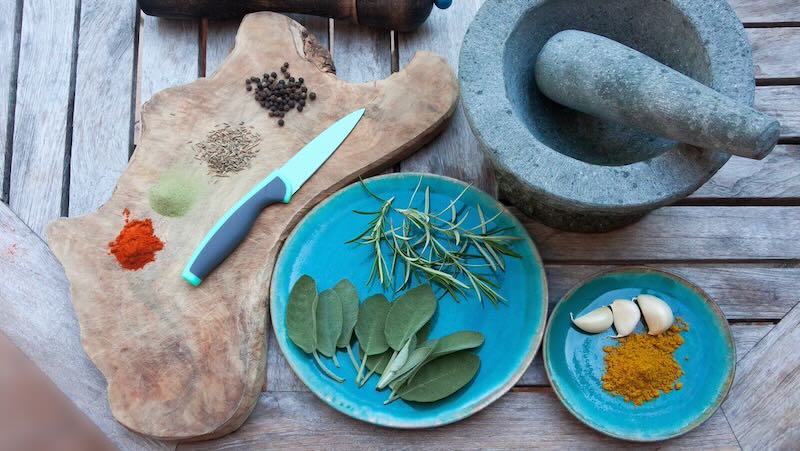
A System of Living, Not Just Medicine
Ayurveda is not merely a treatment system—it is a way of understanding life,
health, and balance. Rooted in nature and refined over thousands of years, it
teaches how daily habits, food, environment, and mental state shape our health.
In a world dominated by fast treatment and temporary relief, Ayurveda offers a
slower but deeper path—one that focuses on restoring balance, rebuilding
strength, and sustaining long-term well-being.
What is Ayurveda
Ayurveda, meaning “Science of Life”, is one of the world’s oldest systems of
medicine. It views health as a dynamic balance between:
- Body
- Mind
- Lifestyle
- Environment
Instead of treating diseases in isolation, Ayurveda focuses on:
Understanding the person → Identifying imbalance → Restoring harmony
This makes it especially relevant for:
- Long-term health maintenance
- Recovery after illness
- Chronic conditions
- Preventive care
Core Principles of Ayurveda
🌀 The Three Doshas
Ayurveda explains body functioning through three energies:
- Vata (Air + Space) → Movement, nervous system
- Pitta (Fire + Water) → Digestion, metabolism
- Kapha (Earth + Water) → Structure, stability
Every individual has a unique combination called Prakriti.
👉 Health = Balance of Doshas
👉 Disease = Imbalance of Doshas
🔥 Agni (Digestive Fire)
Agni controls digestion, absorption, and transformation.
- Strong Agni → Good health
- Weak Agni → Toxin buildup
☣️ Ama (Toxins)
Ama is undigested waste that accumulates in the body.
Most diseases in Ayurveda begin with Ama accumulation
🧱 Dhatus (Body Tissues)
Seven tissues sustain the body:
- Rasa (plasma)
- Rakta (blood)
- Mamsa (muscle)
- Meda (fat)
- Asthi (bone)
- Majja (marrow)
- Shukra (reproductive)
Why Ayurveda Matters Today
Modern healthcare is excellent for:
- Emergency care
- Surgery
- Acute disease treatment
But many people struggle with:
- Slow recovery after illness
- Chronic diseases
- Stress and lifestyle disorders
- Medication dependency
Ayurveda addresses these gaps by focusing on:
- Root-cause healing
- Lifestyle correction
- Strength rebuilding
- Preventive health
How Ayurveda Diagnoses
Ayurveda uses a deeply personalized diagnostic system.
🔍 Trividha Pariksha (Three Methods)
- Darshana → Observation
- Sparshana → Touch (pulse, temperature)
- Prashna → Questioning
🫀 Nadi Pariksha (Pulse Diagnosis)
Subtle pulse variations reveal Dosha imbalance.
👅 Tongue & Lifestyle Analysis
- Digestion quality
- Toxin presence
- Habit patterns
👉 Diagnosis focuses on root cause, not just symptoms
Types of Ayurvedic Treatment
Ayurveda offers structured approaches:
🧹 Shodhana (Detoxification)
- Removes deep-rooted toxins
- Includes Panchakarma
⚖️ Shamana (Balancing)
- Diet, herbs, and lifestyle correction
🌿 Rasayana (Rejuvenation)
- Improves immunity and longevity
🧠 Satvavajaya (Mental Health)
- Emotional and psychological balance
Key Therapies
🛁 Panchakarma (Core Detox)
A structured cleansing process including:
- Vamana (emesis)
- Virechana (purgation)
- Basti (enema therapy)
- Nasya (nasal therapy)
💆 External Therapies
- Abhyanga → Oil massage
- Shirodhara → Oil flow on forehead
- Nasya → Nasal cleansing
- Swedana → Steam therapy
Role of Diet & Lifestyle
In Ayurveda:
Food is the first medicine
Treatment always includes:
- Personalized diet (based on Dosha)
- Daily routines (Dinacharya)
- Seasonal adaptation (Ritucharya)
- Sleep and mental balance
Conditions Where Ayurveda Helps
Ayurveda is particularly effective in:
🟢 Recovery
- Post-surgery healing
- Fatigue and weakness
🟢 Chronic Diseases
- Arthritis
- Diabetes support
- Digestive disorders
🟢 Mental Health
- Stress
- Anxiety
- Sleep issues
🟢 Preventive Health
- Immunity building
- Lifestyle balance
Education & Career Path
🎓 Courses
- BAMS (5.5 years)
- MD/MS Ayurveda
- Panchakarma specialization
👨⚕️ Career Options
- Clinical practice
- Wellness centers
- Research & teaching
- Herbal product industry
- Medical tourism
Regulation & Safety
Ayurveda is regulated by:
- Ministry of AYUSH
- NCISM
- GMP-certified manufacturing
👉 Safe when practiced under qualified professionals
Ayurveda in Modern Context
Ayurveda is increasingly integrated with:
- Modern diagnostics
- Lifestyle medicine
- Rehabilitation systems
It is now used globally for:
- Wellness retreats
- Preventive health
- Long-term recovery
Important Note
Ayurveda works best when:
- Followed consistently
- Combined with lifestyle discipline
- Guided by trained practitioners
It is not a replacement for emergency care, but a powerful system for:
Recovery, balance, and long-term health
Final Thought
Ayurveda reminds us:
Health is not created in hospitals
It is built daily through how we live
It is a system that teaches not only how to heal—but how to live well.
2 - Yoga
Yoga is a holistic system of health that integrates body, breath, and mind through posture, breathing, and meditation. It supports physical strength, mental clarity, stress reduction, and long-term well-being as a natural and preventive health practice.
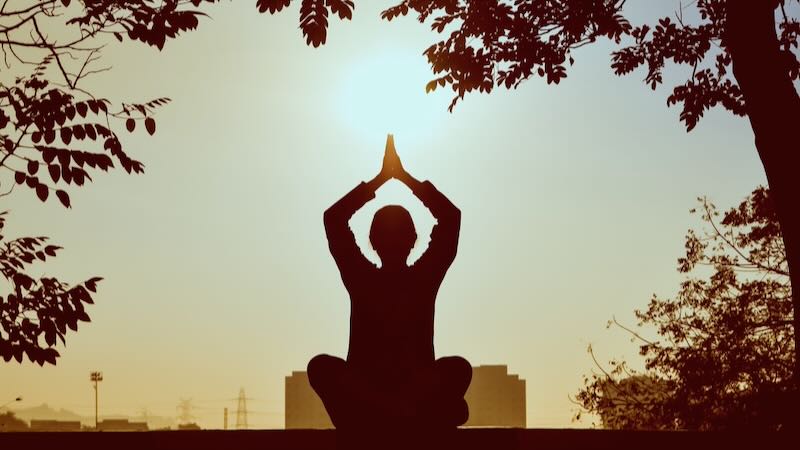
Balance the Body, Train the Mind, Stabilize Life
Yoga is more than exercise—it is a system of self-regulation. It teaches how to
manage the body, calm the mind, and maintain balance in daily life. In a world
of stress, distraction, and lifestyle disorders, Yoga offers a structured way to
restore clarity, improve resilience, and sustain long-term health through
discipline and awareness.
What is Yoga
Yoga is an ancient Indian system of health and self-development that integrates:
- Physical movement
- Breath regulation
- Mental focus
- Inner awareness
It is not limited to flexibility or posture. At its core:
Yoga is the science of aligning body, breath, and mind
It is widely used today for:
- Stress reduction
- Recovery and rehabilitation
- Lifestyle disease management
- Mental clarity and emotional balance
Core Principles of Yoga
🧘 Ashtanga Yoga (Eight Limbs)
Defined by Sage Patanjali, Yoga follows an eight-fold path:
- Yama – Ethical discipline
- Niyama – Personal discipline
- Asana – Physical postures
- Pranayama – Breath control
- Pratyahara – Sense withdrawal
- Dharana – Concentration
- Dhyana – Meditation
- Samadhi – Higher awareness
👉 This shows Yoga is not just physical—it is a complete life system
🌿 Pancha Kosha (Five Layers of Being)
Yoga understands the human system in five layers:
- Physical body
- Energy body
- Mental body
- Wisdom body
- Bliss state
Imbalance in any layer affects overall health.
Why Yoga Matters Today
Modern life creates:
- Constant stress
- Poor posture
- Sleep disorders
- Anxiety and burnout
Yoga directly addresses these by:
- Regulating the nervous system
- Improving breathing efficiency
- Enhancing body awareness
- Stabilizing mental patterns
It is especially useful for:
- Office professionals
- Elderly individuals
- Patients recovering from illness
- People with chronic stress
How Yoga Works
Yoga operates through three core mechanisms:
🔄 Body (Asana)
- Improves strength and flexibility
- Enhances circulation
- Corrects posture
🌬 Breath (Pranayama)
- Regulates oxygen and energy flow
- Balances the nervous system
- Reduces anxiety
🧠 Mind (Meditation)
- Improves focus
- Reduces stress
- Builds emotional stability
Yoga in Practical Life
Yoga is most effective when applied daily.
🟢 Recovery
- Post-illness rehabilitation
- Mobility improvement
- Breathing recovery
🟢 Chronic Conditions
- Diabetes support
- Hypertension
- Back pain and joint issues
🟢 Mental Health
- Anxiety and stress
- Sleep disorders
- Emotional imbalance
🟢 Preventive Health
- Immunity improvement
- Energy balance
- Lifestyle discipline
Types of Yoga Practices
🧍 Asana (Postures)
- Physical alignment and strength
- Used for body correction
🌬 Pranayama (Breathing)
- Breath control techniques
- Improves lung capacity and calmness
🧘 Meditation (Dhyana)
- Mental clarity and awareness
- Reduces overthinking
🧹 Kriyas (Cleansing)
- Neti, Kapalabhati
- Detoxification practices
🔒 Mudras & Bandhas
- Energy control techniques
- Used in advanced practices
😴 Yoga Nidra
- Deep relaxation
- Effective for stress and burnout
Yoga Therapy (Clinical Use)
Yoga is now widely used as complementary therapy.
It helps in:
- Hypertension
- Diabetes
- Asthma
- Depression
- Spine disorders
👉 Works best when combined with medical guidance
Diagnosis in Yoga Therapy
Yoga diagnosis is holistic:
- Posture observation
- Breathing pattern analysis
- Lifestyle assessment
- Mental state evaluation
Focus is on:
Understanding imbalance → Designing personalized practice
Role of Discipline in Yoga
Yoga works only with consistency.
Key elements:
- Daily routine
- Controlled breathing
- Mindful movement
- Regular practice
Yoga is not instant relief—it is gradual transformation
Education & Career Path
🎓 Courses
- Certificate in Yoga
- Diploma in Yoga Therapy
- B.Sc / M.Sc in Yoga
- BNYS (Yoga + Naturopathy)
👨⚕️ Career Options
- Yoga instructor
- Therapist
- Wellness coach
- Rehabilitation specialist
- Research and teaching
Regulation & Certification
Yoga is governed by:
- Ministry of AYUSH
- Yoga Certification Board (YCB)
- CCRYN (Research body)
👉 Certification ensures credibility and quality
Yoga in Modern Healthcare
Yoga is now integrated into:
- Hospitals
- Rehabilitation centers
- Corporate wellness programs
- Mental health therapy
It bridges:
Physical health + Mental stability + Lifestyle discipline
Important Note
Yoga is:
- Safe when practiced correctly
- Adaptable for all age groups
- Most effective when personalized
However:
- Avoid self-practice in medical conditions without guidance
- Follow structured programs
Final Thought
Yoga teaches:
Control the breath → Calm the mind → Stabilize life
It is not just a practice—it is a system of living that builds:
And over time:
Transforms how you live, not just how you move
3 - Naturopathy
Naturopathy is a drugless system of healing that uses natural elements like water, mud, sunlight, air, diet, and lifestyle to activate the body’s self-healing ability. It focuses on detoxification, prevention, and long-term health through natural living.

Let Nature Heal, Let the Body Restore
Naturopathy is based on a simple but powerful idea—the body knows how to heal
itself. When given the right environment, nutrition, and rest, the body
naturally corrects imbalance. In a time of chemical overload and lifestyle
diseases, Naturopathy offers a structured return to natural living—focused on
detoxification, discipline, and long-term wellness rather than temporary relief.
What is Naturopathy
Naturopathy is a drugless system of medicine that works with nature to
restore health.
It focuses on:
- Removing root causes of disease
- Supporting the body’s natural healing ability
- Building long-term health through lifestyle
Health is not treated—it is restored
Unlike modern systems that often suppress symptoms, Naturopathy aims to:
- Cleanse the body
- Correct lifestyle
- Rebuild vitality
Core Principles of Naturopathy
🌿 Self-Healing Power
The body has an inherent ability to heal itself when:
- Toxins are removed
- Proper nutrition is provided
- Natural balance is restored
🌍 Five Elements (Panchamahabhutas)
Naturopathy is built on five natural elements:
- Earth (Mud) → Cooling, detox
- Water → Circulation, cleansing
- Fire (Sunlight) → Metabolism, energy
- Air → Oxygenation, vitality
- Ether (Space) → Fasting, rest
👉 Balance of these elements = Health
☣️ Toxin Theory (Toxemia)
Disease begins when:
- Waste accumulates
- Digestion weakens
- Lifestyle becomes irregular
Most illnesses are seen as outcomes of toxin buildup
Why Naturopathy Matters Today
Modern lifestyles lead to:
- Poor diet
- Stress
- Sedentary habits
- Chemical exposure
Result:
- Chronic diseases
- Low immunity
- Slow recovery
Naturopathy addresses this by:
- Detoxifying the system
- Resetting lifestyle
- Rebuilding natural strength
How Naturopathy Works
Naturopathy follows a simple sequence:
1. Remove Cause
- Identify diet/lifestyle imbalance
2. Detoxify Body
- Eliminate accumulated toxins
3. Restore Balance
4. Strengthen System
- Improve immunity and vitality
Diagnosis in Naturopathy
Diagnosis is holistic and continuous.
🔍 Methods Used
- Lifestyle and diet analysis
- Observation (tongue, skin, eyes)
- Sleep and digestion patterns
- Stress and emotional state
👉 Focus is not disease label, but:
Where imbalance started
Types of Naturopathic Treatments
💧 Hydrotherapy
- Hot/cold water applications
- Improves circulation and detox
🌍 Mud Therapy
- Cooling and toxin absorption
- Reduces inflammation
🥗 Diet Therapy
- Raw foods, juices, controlled diets
- Restores digestion
⏳ Fasting Therapy
- Allows body to reset
- Activates deep cleansing
☀️ Sun & Air Therapy
- Improves metabolism and energy
- Restores natural rhythms
💆 Massage Therapy
- Improves blood flow
- Supports relaxation and healing
🎨 Chromotherapy
- Uses color and light
- Supports mental and emotional balance
🧘 Yoga Integration
- Breath + movement + relaxation
- Supports mind-body alignment
Naturopathy in Practical Life
Naturopathy is highly effective in:
🟢 Recovery
- Post-illness detox
- Weakness and fatigue
🟢 Chronic Diseases
- Diabetes support
- Hypertension
- Digestive disorders
- Arthritis
🟢 Mental Health
- Stress
- Anxiety
- Sleep issues
🟢 Preventive Health
- Immunity building
- Lifestyle correction
- Long-term wellness
Role of Diet in Naturopathy
Diet is central to healing.
Principles include:
- Natural, whole foods
- Seasonal eating
- Minimal processing
- Proper food combinations
Food is not just nutrition—it is therapy
Role of Discipline
Naturopathy works only with consistency:
- Regular routines
- Controlled diet
- Proper rest
- Periodic detox
Healing is a process, not an instant outcome
Education & Career Path
🎓 Courses
- BNYS (5.5 years)
- Diploma in Naturopathy
- Certificate courses
👨⚕️ Career Options
- Naturopathy practitioner
- Wellness center specialist
- Health retreat consultant
- Lifestyle coach
- Research and teaching
Regulation & Recognition
Naturopathy is governed by:
- Ministry of AYUSH
- CCRYN (Research body)
- National Institute of Naturopathy (NIN)
👉 Recognized system in India
Naturopathy in Modern Healthcare
Naturopathy is increasingly used in:
- Wellness centers
- Rehabilitation programs
- Lifestyle clinics
- Integrative healthcare systems
It complements:
Modern medicine for acute care + Naturopathy for long-term recovery
Important Note
Naturopathy is:
- Safe and natural
- Suitable for all age groups
- Highly effective for chronic conditions
However:
- Should be guided by trained practitioners
- Not a replacement for emergency medical care
Final Thought
Naturopathy teaches:
Remove the cause → Allow the body → Restore naturally
It is not just a treatment system—it is a way of living in alignment with
nature, where:
- Discipline builds health
- Nature supports healing
- Balance sustains life
4 - Unani
Unani is a traditional system of medicine based on humoral balance and individual temperament. It uses diet, natural therapies, and herbal remedies to restore health, prevent disease, and maintain long-term well-being.
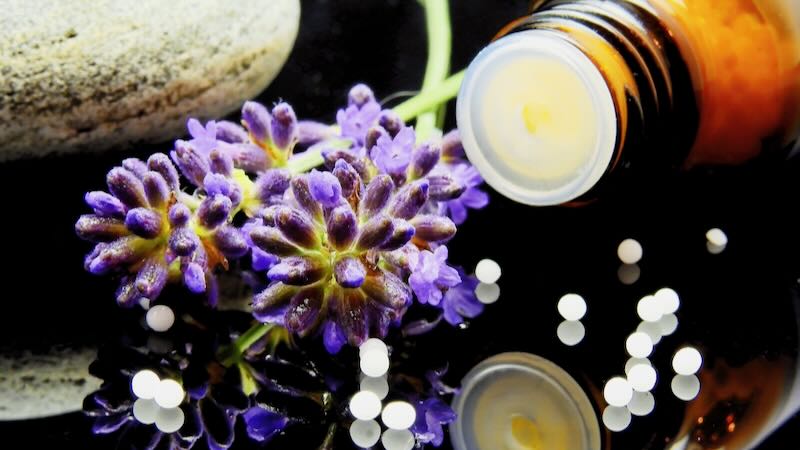
Balance the Body, Restore the Temperament
Unani medicine is built on the idea that health depends on balance—within the
body, the mind, and the environment. It focuses on understanding the individual
before treating the condition. By correcting internal imbalance through diet,
natural therapies, and lifestyle, Unani offers a structured yet gentle approach
to long-term health and recovery.
What is Unani
Unani is a Greco-Arabic system of medicine practiced for over a thousand
years.
It focuses on:
- Balance of internal body systems
- Personalized treatment based on temperament
- Natural healing through diet and therapies
Health is balance. Disease is imbalance.
Unani is widely used for:
- Chronic disease management
- Lifestyle correction
- Preventive health
- Holistic recovery
Core Principles of Unani
⚖️ Humoral Theory (Akhlat)
Unani is based on four body humors:
- Dam (Blood)
- Balgham (Phlegm)
- Safra (Yellow bile)
- Sauda (Black bile)
👉 Health = Balance of humors
👉 Disease = Imbalance of humors
🌡️ Mizaj (Temperament)
Every person has a unique temperament:
This determines:
- Disease tendency
- Treatment approach
- Diet suitability
🔥 Tabiyat (Vital Force)
The body has a natural healing intelligence called:
Quwwat-e-Mudabbira-e-Badan (self-regulating power)
Unani treatments support this force rather than replace it.
🌿 Asbab-e-Sitta Zarooriya (Six Essentials)
Health depends on six key factors:
- Air
- Food and drink
- Sleep and wakefulness
- Movement and rest
- Excretion
- Mental state
Why Unani Matters Today
Modern healthcare often treats symptoms but ignores:
- Lifestyle imbalance
- Environmental impact
- Individual constitution
Unani fills this gap by:
- Personalizing treatment
- Focusing on prevention
- Integrating diet and lifestyle
It is especially useful for:
- Long-term illnesses
- Digestive issues
- Skin conditions
- Hormonal imbalance
How Unani Works
Unani follows a structured approach:
1. Identify Imbalance
- Analyze humors and temperament
2. Correct Lifestyle
- Adjust food, sleep, and habits
3. Apply Therapies
- Natural and regimenal treatments
4. Restore Balance
- Strengthen the body’s healing system
Diagnosis in Unani
Diagnosis is both clinical and personalized.
🔍 Methods Used
- Pulse examination (Nabz)
- Urine and stool analysis
- Observation (tongue, eyes, skin)
- Lifestyle and diet review
Focus is on:
Understanding the individual, not just the disease
Types of Unani Treatment
🧴 Ilaj bil Tadbeer (Regimenal Therapy)
- Cupping (Hijama)
- Massage
- Exercise
- Leech therapy
- Steam and detox
🥗 Ilaj bil Ghiza (Diet Therapy)
- Personalized food prescriptions
- Balancing humors through diet
🌿 Ilaj bil Dawa (Pharmacotherapy)
- Natural medicines (herbal, mineral, animal origin)
- Carefully prepared formulations
🛠️ Ilaj bil Yad (Surgery)
Unani in Practical Life
Unani is effective in:
🟢 Chronic Conditions
- Arthritis
- Asthma
- Digestive disorders
- Skin diseases
🟢 Preventive Health
- Lifestyle correction
- Diet optimization
🟢 Mental Wellness
- Stress balance
- Emotional stability
🟢 Recovery
- Post-illness strength building
- Body balance restoration
Role of Diet in Unani
Diet is a primary treatment tool.
Principles include:
- Food based on temperament
- Seasonal adjustments
- Avoiding incompatible foods
Diet is not support—it is treatment
Role of Lifestyle
Unani emphasizes:
- Proper sleep
- Balanced activity
- Clean environment
- Emotional stability
Lifestyle is the foundation of health
Education & Career Path
🎓 Courses
- BUMS (5.5 years)
- MD (Unani)
- Diploma and certificate courses
👨⚕️ Career Options
- Unani physician
- Hospital practitioner
- Research and teaching
- Herbal medicine industry
- Wellness and lifestyle clinics
Regulation & Recognition
Unani is governed by:
- Ministry of AYUSH
- NCISM
- CCRUM (Research body)
👉 Fully recognized system in India
Unani in Modern Healthcare
Unani is integrated into:
- AYUSH hospitals
- Wellness centers
- Community healthcare
It complements:
Modern medicine (acute care) + Unani (balance & recovery)
Important Note
Unani is:
- Safe when practiced correctly
- Personalized and holistic
- Suitable for long-term care
However:
- Requires qualified practitioners
- Not a substitute for emergency treatment
Final Thought
Unani teaches:
Understand the person → Balance the system → Restore health
It is a system where:
- Nature guides treatment
- Balance defines health
- Discipline sustains life
5 - Siddha
Siddha is an ancient Tamil system of medicine focused on balancing body, mind, and spirit using herbs, minerals, diet, and lifestyle. It emphasizes detoxification, longevity, and effective management of chronic diseases.
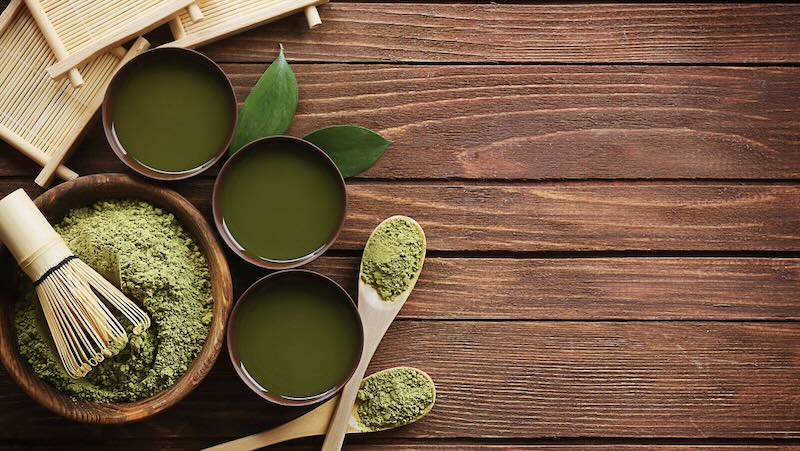
Ancient Knowledge for Longevity and Deep Healing
Siddha medicine is one of the oldest living systems of healing, rooted in Tamil
tradition and developed by enlightened Siddhars. It goes beyond treating disease
to focus on purification, balance, and longevity. In a world facing chronic
illness and lifestyle imbalance, Siddha offers a structured path to restore
health deeply and sustainably.
What is Siddha
Siddha is a holistic system of medicine originating in South India,
especially Tamil Nadu.
It focuses on:
- Balance of body, mind, and spirit
- Detoxification and purification
- Long-term health and longevity
Health is harmony. Disease is imbalance.
Siddha is widely used for:
- Chronic disease management
- Lifestyle disorders
- Rejuvenation therapies
- Preventive healthcare
Core Principles of Siddha
⚖️ Mukkuttram (Three Humors)
Siddha defines three vital forces:
- Vali (Air)
- Azhal (Fire)
- Iyyam (Water)
👉 Balance = Health
👉 Imbalance = Disease
🌍 Panchabootham (Five Elements)
The body is made of:
These elements govern structure and function.
🧬 Udal Thathukkal (Body Constituents)
Seven tissues maintain the body:
- Plasma
- Blood
- Muscle
- Fat
- Bone
- Marrow
- Reproductive tissue
🔥 Uyir Thathukkal (Vital Forces)
- Regulate physiological processes
- Maintain internal balance
🌿 Kayakalpa (Rejuvenation Science)
A unique Siddha concept focused on:
- Anti-aging
- Longevity
- Vitality enhancement
Why Siddha Matters Today
Modern health challenges include:
- Chronic diseases
- Lifestyle disorders
- Aging-related issues
Siddha addresses these through:
- Detoxification
- Rejuvenation
- Long-term balance
It is especially effective for:
- Arthritis
- Skin diseases
- Diabetes
- Neurological conditions
How Siddha Works
Siddha follows a structured healing process:
1. Identify Imbalance
- Analyze humors and constitution
2. Detoxify System
- Remove accumulated toxins
3. Restore Balance
- Use internal and external therapies
4. Rejuvenate Body
- Strengthen vitality and longevity
Diagnosis in Siddha
Diagnosis is detailed and holistic.
🔍 Envagai Thervu (Eight Methods)
- Pulse (Naadi)
- Touch (Sparisam)
- Tongue (Na)
- Color (Niram)
- Speech (Mozhi)
- Eyes (Vizhi)
- Stool (Malam)
- Urine (Moothiram)
Special techniques include:
- Neikuri (oil drop test)
- Pulse-based humor analysis
👉 Focus:
Detect imbalance before disease becomes severe
Types of Siddha Treatment
🌿 Internal Medicine
- Herbal and mineral formulations
- Advanced preparations using calcination
💆 External Therapies
- Oil applications
- Massage (Thokkanam)
- Poultices and fomentation
🎯 Varmam Therapy
- Energy point stimulation
- Used for pain, paralysis, neurological issues
🧹 Detox Therapies
- Purgation
- Emesis
- Nasal therapy
🌱 Kayakalpa Therapy
- Anti-aging and rejuvenation
- Improves strength and longevity
🧘 Yoga & Meditation
- Mind-body balance
- Supports overall healing
Siddha in Practical Life
Siddha is highly effective in:
🟢 Chronic Conditions
- Arthritis
- Skin disorders
- Diabetes
- Respiratory diseases
🟢 Lifestyle Disorders
- Obesity
- Hypertension
- Stress
🟢 Recovery
- Post-illness strengthening
- Long-term rehabilitation
🟢 Longevity
- Anti-aging therapies
- Vitality enhancement
Role of Diet & Lifestyle
Siddha strongly emphasizes:
- Seasonal diet
- Personalized food habits
- Daily routines
- Mental discipline
Lifestyle is both prevention and cure
Education & Career Path
🎓 Courses
- BSMS (5.5 years)
- MD (Siddha)
- Diploma and certification programs
👨⚕️ Career Options
- Siddha practitioner
- Government hospital roles
- Research and teaching
- Wellness and therapy centers
- Pharmaceutical industry
Regulation & Recognition
Siddha is governed by:
- Ministry of AYUSH
- NCISM
- CCRS (Research body)
👉 Fully recognized healthcare system in India
Siddha in Modern Healthcare
Siddha is integrated into:
- AYUSH hospitals
- Wellness centers
- Chronic care programs
It complements:
Modern medicine (acute care) + Siddha (chronic & long-term care)
Important Note
Siddha is:
- Safe when practiced by qualified doctors
- Effective for long-term conditions
- Personalized and holistic
However:
- Requires structured treatment
- Not suitable for emergency care
Final Thought
Siddha teaches:
Cleanse the body → Balance the system → Extend life
It is a system where:
- Healing is deep
- Time is respected
- Longevity is the goal
6 - Sowa-Rigpa
Sowa-Rigpa is a Himalayan system of medicine that integrates body, mind, and spirit through balance of energies, natural therapies, and lifestyle. It focuses on holistic healing, chronic disease management, and harmony with nature.

Healing Through Balance of Body, Mind, and Nature
Sowa-Rigpa, meaning “The Science of Healing,” is a deeply holistic medical
system rooted in Himalayan wisdom. It integrates physical health, mental
balance, and spiritual awareness into a unified approach to healing. In a world
of fragmented healthcare, Sowa-Rigpa offers a complete framework—where
lifestyle, environment, and inner balance define long-term well-being.
What is Sowa-Rigpa
Sowa-Rigpa is a traditional Himalayan system of medicine practiced in:
- Tibet
- Ladakh
- Bhutan
- Nepal
- Himalayan regions of India
It focuses on:
- Balance of body and mind
- Harmony with nature
- Long-term wellness and prevention
Health is harmony between energy, body, and environment
Core Principles of Sowa-Rigpa
⚖️ Three Energies (Nyepa)
Sowa-Rigpa defines three governing energies:
- Lung (Wind) → Movement, nervous system
- Tripa (Bile) → Heat, metabolism
- Beken (Phlegm) → Stability, structure
👉 Balance = Health
👉 Imbalance = Disease
🌍 Five Elements
The body and universe are composed of:
These elements interact to maintain physiological balance.
🧠 Mind-Body Connection
Sowa-Rigpa strongly links:
- Emotions
- Lifestyle
- Physical health
Mental imbalance is often seen as the root of disease.
🌿 Integration of Traditions
Sowa-Rigpa combines knowledge from:
- Ayurveda
- Chinese medicine
- Greek medicine
- Buddhist philosophy
Why Sowa-Rigpa Matters Today
Modern problems include:
- Stress and anxiety
- Chronic illness
- Lifestyle imbalance
Sowa-Rigpa addresses these through:
- Holistic diagnosis
- Natural therapies
- Lifestyle alignment
It is especially useful for:
- Chronic diseases
- Stress-related disorders
- Digestive issues
- Skin conditions
How Sowa-Rigpa Works
The system follows a structured healing approach:
1. Understand Imbalance
- Analyze energy imbalance and lifestyle
2. Correct Diet & Behavior
- Align habits with body needs
3. Apply Therapies
- Herbal, physical, and mental practices
4. Restore Harmony
- Balance body, mind, and environment
Diagnosis in Sowa-Rigpa
Diagnosis is deeply personalized.
🔍 Methods Used
- Visual observation
- Pulse diagnosis
- Questioning
- Urine analysis
Practitioners assess:
- Physical symptoms
- Emotional state
- Lifestyle patterns
👉 Focus:
Understanding the whole person, not just the illness
Types of Treatment
🌿 Herbal Medicine
- Natural formulations from plants, minerals
- Carefully prepared traditional medicines
🥗 Diet & Lifestyle Regulation
- Customized food plans
- Seasonal and behavioral adjustments
🔥 Moxibustion (Me-Tsar)
- Heat therapy using herbal materials
- Improves circulation and energy flow
💆 Massage & External Therapies
- Relieves stiffness
- Improves blood flow
🧘 Mental & Spiritual Practices
- Meditation
- Mantra practices
- Emotional regulation
Sowa-Rigpa in Practical Life
Sowa-Rigpa is effective in:
🟢 Chronic Conditions
- Arthritis
- Digestive disorders
- Skin diseases
🟢 Mental Health
- Stress
- Anxiety
- Emotional imbalance
🟢 Preventive Health
- Lifestyle correction
- Seasonal balance
🟢 Recovery
- Post-illness healing
- Energy restoration
Role of Diet & Lifestyle
Diet and habits are central:
- Seasonal eating
- Personalized food choices
- Balanced routine
Lifestyle is the foundation of healing
Education & Career Path
🎓 Courses
- BTMS (5.5 years)
- Diploma programs
- Research and specialization
👨⚕️ Career Options
- Traditional practitioner (Amchi)
- AYUSH medical roles
- Research and academia
- Wellness and therapy centers
Regulation & Recognition
Sowa-Rigpa is governed by:
- Ministry of AYUSH
- NCISM
- CCRS (Research body)
👉 Officially recognized system in India
Sowa-Rigpa in Modern Healthcare
Sowa-Rigpa is used in:
- Himalayan healthcare systems
- AYUSH centers
- Wellness and integrative medicine
It complements:
Modern medicine (acute care) + Sowa-Rigpa (holistic balance & recovery)
Important Note
Sowa-Rigpa is:
- Holistic and personalized
- Safe when guided by trained practitioners
- Effective for long-term care
However:
- Not suitable for emergency conditions
- Requires disciplined follow-up
Final Thought
Sowa-Rigpa teaches:
Balance energy → Align life → Restore health
It is a system where:
- Healing is holistic
- Mind and body are inseparable
- Nature guides recovery
7 - Homeopathy
Homeopathy is a holistic system of medicine based on the principle of “like cures like,” using minimal doses to stimulate the body’s natural healing response. It focuses on individualized care, chronic disease management, and gentle, long-term wellness.
Gentle Healing that Works with the Body
Homeopathy is a deeply personalized system of healing that activates the body’s
natural ability to recover and restore balance. Based on the principle of
similarity and minimal intervention, it focuses not just on symptoms but on the
individual as a whole. In a world of aggressive treatments, Homeopathy offers a
gentle, safe, and long-term approach to health and well-being.
What is Homeopathy
Homeopathy is a holistic medical system founded in the 18th century by
Dr. Samuel Hahnemann.
It is based on the principle:
“Similia Similibus Curentur” — Like cures like
This means:
- A substance that causes symptoms in a healthy person
- Can treat similar symptoms in a sick person
Homeopathy focuses on:
- Individualized treatment
- Mind-body connection
- Long-term healing
Core Principles of Homeopathy
⚖️ Law of Similars
- “Like cures like”
- Remedy matches symptom pattern
💧 Law of Minimum Dose
- Smaller doses → deeper effect
- Reduces toxicity and side effects
🎯 Single Remedy
- One remedy at a time
- Based on complete symptom picture
🔬 Potentization
- Process of dilution and shaking
- Enhances therapeutic effect
🧠 Individualization
- No two patients receive the same treatment
- Focus on unique physical + mental profile
Why Homeopathy Matters Today
Modern healthcare challenges include:
- Chronic diseases
- Side effects of long-term medication
- Stress-related disorders
Homeopathy addresses these by:
- Stimulating natural healing
- Avoiding aggressive interventions
- Supporting long-term balance
It is especially effective for:
- Allergies
- Migraine
- Skin conditions
- Hormonal imbalance
- Stress and anxiety
How Homeopathy Works
Homeopathy follows a structured approach:
1. Understand the Individual
- Physical symptoms
- Emotional state
- Lifestyle patterns
2. Build Symptom Picture
- Detailed case analysis
- Identify unique patterns
3. Match Remedy
- Compare with Materia Medica
- Select closest match
4. Stimulate Healing
- Body responds naturally
- Gradual restoration of balance
Diagnosis in Homeopathy
Diagnosis is deep and personalized.
🔍 Case-Taking Process
- Physical symptoms
- Emotional and psychological state
- Food preferences
- Sleep patterns
- Lifestyle habits
Key Concepts
- Symptom Picture → Patient profile
- Drug Picture → Remedy profile
👉 Focus:
Treat the person, not just the disease
Types of Treatment
🩺 Acute Treatment
- For short-term conditions
- Fever, cold, minor infections
- Fast relief
🧬 Chronic (Constitutional) Treatment
- Long-term conditions
- Deep healing approach
- Addresses root cause
Homeopathic remedies are:
- Sugar pellets
- Liquid drops
- Highly diluted preparations
Made from:
- Plants
- Minerals
- Animal sources
Homeopathy in Practical Life
Homeopathy is effective in:
🟢 Chronic Conditions
- Arthritis
- Asthma
- Skin diseases
🟢 Lifestyle Disorders
- Stress
- Sleep disorders
- Digestive issues
🟢 Emotional Health
- Anxiety
- Depression
- Behavioral imbalance
🟢 Children’s Care
- Safe and gentle
- Widely used in pediatrics
Treatment Process & Timeline
- Initial consultation: 45–90 minutes
- Follow-up: every 2–6 weeks
- Acute cases: quick response
- Chronic cases: gradual improvement
👉 Focus:
Slow, steady, and sustainable healing
Safety & Integration
Homeopathy is:
- Safe and non-toxic
- Minimal side effects
- Suitable for long-term use
It can be:
- Used alongside modern medicine
- Integrated into holistic care plans
Education & Career Path
🎓 Courses
- BHMS (5.5 years)
- MD (Homoeopathy)
- Ph.D. programs
👨⚕️ Career Options
- Clinical practice
- AYUSH hospitals
- Research and teaching
- Pharmaceutical industry
Regulation & Recognition
Homeopathy is governed by:
- Ministry of AYUSH
- Central Council of Homoeopathy (CCH)
- CCRH (Research body)
👉 Officially recognized healthcare system in India
Homeopathy in Modern Healthcare
Homeopathy is widely used in:
- AYUSH hospitals
- Private clinics
- Integrative medicine systems
It complements:
Modern medicine (acute care) + Homeopathy (chronic & personalized care)
Important Note
Homeopathy is:
- Effective for chronic and lifestyle conditions
- Safe when prescribed correctly
- Personalized in approach
However:
- Not suitable for emergency care
- Requires expert guidance
Final Thought
Homeopathy teaches:
Stimulate the body → Restore balance → Heal naturally
It is a system where:
- Healing is gentle
- Care is personalized
- Recovery is long-lasting