Ageing in India - Rethinking Elder Care Beyond Hospitals and Homes
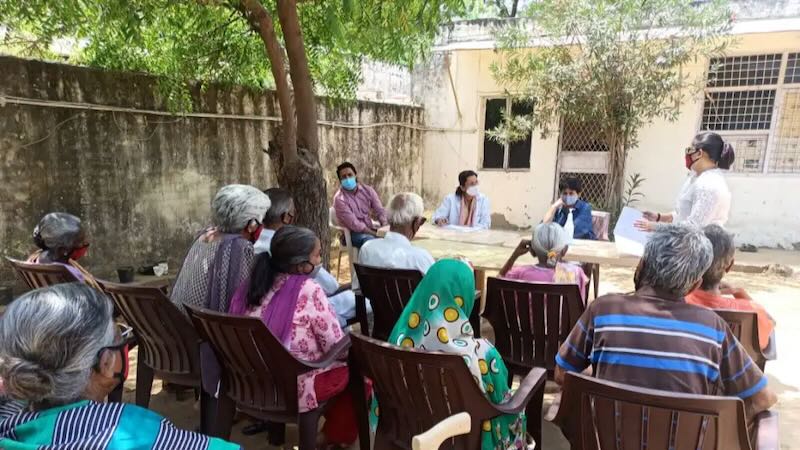
India is ageing, and the shift is accelerating.
With longer life expectancy and changing family structures, more elders are living independently - often without consistent support. While medical care has improved, the systems needed to support daily life, emotional wellbeing, and long-term care have not evolved at the same pace.
The question is no longer how to treat illness, but how to support living well in later years.
Elder care is not just about survival. It is about dignity, purpose, and continuity.
The Changing Reality of Ageing
As the elderly population grows:
- More seniors live alone
- Families are geographically distant
- Chronic conditions require ongoing care
- Social isolation increases
Traditional family-based care is becoming harder to sustain.
Why Existing Models Are Not Enough
Most current options fall into two extremes:
- Staying at home without structured support
- Moving to institutional facilities with limited personalization
Both approaches leave gaps in:
- Daily assistance
- Emotional wellbeing
- Continuous health monitoring
- Social engagement
A New Approach - Community-Based Elder Living
A more balanced model is emerging:
Elder-focused living environments supported by structured care systems.
These are not just residential spaces, but integrated care communities that combine:
- Living
- Healthcare
- Wellness
- Social engagement
What a Modern Elder Living System Includes
Daily Living Support
- Safe and accessible living spaces
- Assistance with routine activities
- Age-friendly infrastructure
Healthcare Integration
- Regular health monitoring
- Access to doctors and diagnostics
- Emergency coordination systems
Wellness and Preventive Care
- Yoga and physical activity
- Nutrition support
- AYUSH-based recovery and balance
Social and Emotional Engagement
- Group activities and interaction
- Cultural and community events
- Spaces for conversation and connection
Purpose and Contribution
- Sharing knowledge and skills
- Mentoring younger generations
- Participating in community life
Care improves when elders are engaged, not isolated.
Integration with the WARA Care System
A structured elder living model connects multiple care layers:
- HomeCareNet → Daily support within living spaces
- ElderCareNet → Monitoring and coordination
- HealthCareNet → Clinical access and treatment
- AyushCareNet → Wellness and recovery
- DharmaCareNet → Community integration and local engagement
- Platform (Care Ledger) → Continuous tracking and visibility
This ensures that care is continuous, connected, and reliable.
Beyond Care - Creating a Living Ecosystem
Elder-focused communities are not only about support, but also about environment.
Such ecosystems can include:
- Green and self-sustaining surroundings
- Access to nature and open spaces
- Opportunities for light activity and participation
- Integration with local communities
This improves both physical and mental wellbeing.
Why This Model Matters
Reduces Loneliness
- Regular interaction
- Community environment
Improves Health Outcomes
- Continuous monitoring
- Early detection of issues
Supports Families
- Reduces caregiving burden
- Provides structured and reliable support
Creates Sustainable Systems
- Scalable model for growing elderly population
- Integration of care and livelihood
Challenges to Address
To make this model successful, certain aspects must be managed:
- Maintaining quality of care
- Balancing independence and support
- Ensuring affordability
- Building trust with families
Without structure, it becomes another housing model.
With systems, it becomes a care ecosystem.
A Step Toward the Future of Elder Care
India’s ageing population requires a shift from:
- Reactive care
to - Continuous, system-supported living
Community-based elder care models provide a path forward by combining:
- Infrastructure
- Care services
- Human connection
Final Thought
Growing older should not mean losing independence, connection, or dignity.
With the right systems, elders can live in environments that support their health, engage their minds, and respect their experience.
The future of elder care is not isolation - it is connected living with care.