Medicinal Plant Cultivation - Building a Sustainable Foundation for AYUSH Care
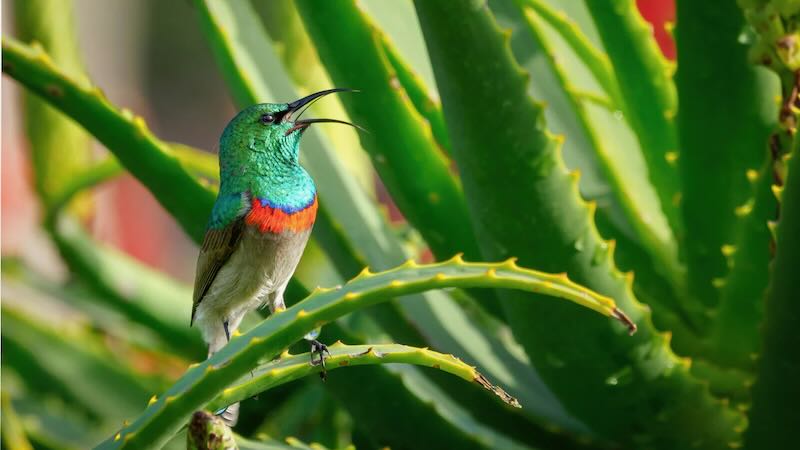
Healing does not always begin in hospitals.
For centuries, health in India has been supported by plants, herbs, and natural systems of care. But today, while demand for natural medicine is increasing, the supply of quality medicinal plants is becoming inconsistent and unstructured.
Medicinal Plant Cultivation is designed to rebuild this foundation by creating a reliable, sustainable, and traceable ecosystem for AYUSH-based care.
Natural healing is only effective when its source is pure and consistent.
What Is Medicinal Plant Cultivation
Medicinal Plant Cultivation is a structured approach to:
- Growing herbs used in Ayurveda and traditional medicine
- Ensuring quality and traceability of raw materials
- Connecting farmers with verified buyers and processors
- Supporting a sustainable health supply chain
It transforms traditional knowledge into a systematic and scalable model.
Why This Matters Today
The growing use of AYUSH-based treatments has created new challenges:
- Inconsistent quality of herbs
- Lack of traceability in sourcing
- Overuse of chemicals in farming
- Disconnection between farmers and medicine producers
Without a structured supply system, the effectiveness of natural medicine declines.
How the System Works
Medicinal plant cultivation requires coordination across multiple layers.
Step 1: Farmer Identification and Training
Local farmers and community groups are trained to:
- Select suitable medicinal crops
- Understand soil and climate compatibility
- Follow natural and organic farming practices
This ensures quality begins at the source.
Step 2: Input and Resource Support
Farmers are supported with:
- Quality seeds and saplings
- Guidance on natural fertilizers and pest control
- Best practices for cultivation
This reduces dependency on harmful inputs.
Step 3: Cultivation and Monitoring
During growth:
- Farming practices are guided
- Quality standards are maintained
- Harvest timelines are managed
Consistency is critical for medicinal use.
Step 4: Processing and Quality Control
After harvesting:
- Herbs are dried and processed correctly
- Quality is checked
- Storage standards are followed
This preserves effectiveness and safety.
Step 5: Supply to AYUSH Ecosystem
Processed materials are supplied to:
- AYUSH medicine producers
- Wellness centers
- Treatment and recovery programs
This creates a connected supply chain.
Good medicine depends on good sourcing.
What This Enables
Reliable AYUSH Treatments
- Consistent quality of herbs
- Safer formulations
- Better treatment outcomes
Sustainable Farming Practices
- Reduced chemical use
- Improved soil health
- Long-term land productivity
Strong Rural Livelihoods
- New income opportunities for farmers
- Higher-value crops
- Reduced migration pressure
Traceability and Trust
- Source-to-use visibility
- Better quality control
- Reduced adulteration
Integration with the WARA Care System
Medicinal Plant Cultivation connects with:
- AyushCareNet → Wellness and recovery programs
- DharmaCareNet → Community-level implementation
- EduCareNet → Training and awareness
- HealthCareNet → Complementary treatment support
- Platform (Care Ledger) → Traceability and data tracking (future scope)
This ensures that natural care is not isolated, but part of a broader system.
Beyond Farming - Building a Health Supply Chain
This model is not just agriculture.
It is about creating a health supply infrastructure where:
- Farmers produce
- Systems ensure quality
- Care networks deliver treatment
This connects rural production directly to healthcare outcomes.
Challenges to Address
To make this system reliable, certain issues must be managed:
- Maintaining quality standards
- Ensuring proper processing
- Building consistent demand
- Training and monitoring farmers
Without structure, supply becomes unreliable.
With systems, it becomes scalable.
A Step Toward Sustainable Wellness
Healthcare is not only about treatment - it is also about prevention and long-term balance.
Medicinal plant cultivation supports this by:
- Enabling natural care systems
- Promoting eco-friendly practices
- Creating a sustainable link between land and health
Final Thought
Natural medicine begins far from clinics - in the soil, in the hands of farmers, and in the systems that preserve its quality.
Medicinal Plant Cultivation ensures that this foundation remains strong, reliable, and connected to modern care systems.
When the source is strong, healing becomes more effective and sustainable.