Mobile Health Clinics - Bringing Structured Care to the Last Mile
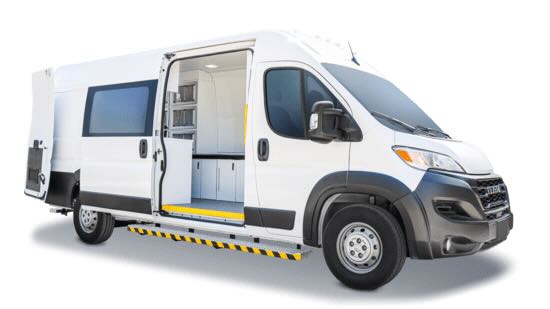
Healthcare should reach people, not wait for people to reach it.
In many remote areas, access to even basic medical care can require hours of travel. For elderly individuals, children, and daily wage workers, this often means delaying or completely avoiding treatment.
Mobile Health Clinics are designed to solve this by bringing structured care directly into underserved communities, without depending on permanent infrastructure.
When access is difficult, care must move closer to people.
What Are Mobile Health Clinics
Mobile Health Clinics are travelling care units that deliver basic healthcare services directly to communities.
They function as:
- Moving care points
- Local health access hubs
- Entry points into a larger healthcare system
Instead of replacing hospitals, they ensure that no community is left without access to initial care and guidance.
Why Mobile Care Matters
In areas with limited infrastructure, common challenges include:
- No nearby clinics or hospitals
- Delayed diagnosis and treatment
- Lack of regular follow-up
- Low health awareness
Without access, small issues become serious problems.
Mobile clinics reduce this gap by making care:
- Reachable - available within the community
- Timely - delivered regularly
- Inclusive - accessible to all age groups
What a Mobile Health Clinic Provides
A well-structured mobile clinic is more than a basic van.
It typically includes:
- Basic diagnostic tools (BP, sugar, temperature, vision checks)
- Essential medicines
- Trained caregivers and visiting medical professionals
- Digital recording system (Care Ledger / EMR-like tracking)
- Referral linkage to higher care facilities
This allows it to act as a complete primary care access point.
How the System Works
Mobile care works best when it is planned and consistent.
Step 1: Scheduled Community Visits
Each mobile unit follows a defined route and schedule:
- Weekly or monthly visits
- Fixed locations within communities
This creates predictability and trust.
Step 2: Community Awareness
Before each visit:
- Local volunteers or coordinators inform residents
- Patients are prepared for checkups
This ensures maximum participation.
Step 3: On-Site Checkups and Treatment
During visits, patients receive:
- General health checkups
- Chronic condition monitoring
- Maternal and child health support
- Basic medications
This addresses immediate health needs.
Step 4: Digital Recording and Tracking
Patient data is recorded in a structured system:
- Health history
- Observations
- Follow-up requirements
This ensures continuity across visits.
Step 5: Referral and Escalation
If advanced care is needed:
- Patients are referred to partner hospitals
- Diagnostics or specialist consultations are arranged
- Follow-up is coordinated
The mobile clinic is the starting point - not the end of care.
The Role of Consistency
One-time camps create awareness.
Regular visits create impact.
With repeated visits:
- Health conditions are tracked over time
- Patients follow treatment plans
- Trust is built within the community
Care becomes effective when it is continuous, not occasional.
Integration with the WARA Care System
Mobile Health Clinics are part of a broader ecosystem:
- HealthCareNet → Doctor consultations and medical support
- DharmaCareNet → Community-level access and operations
- EduCareNet → Trained local caregivers
- Preventive Care Systems → Regular monitoring and follow-ups
- Platform (Care Ledger) → Data tracking and coordination
This ensures that mobile care connects into a larger, structured system.
What This Changes for Communities
Improved Access
- Healthcare reaches even the most remote areas
- No dependence on distant facilities
Early Detection
- Regular checkups identify issues early
- Prevents complications
Reduced Cost Burden
- Less travel
- Lower indirect expenses
Increased Health Awareness
- Communities become more informed
- Preventive habits improve
Challenges in Mobile Healthcare
To make mobile clinics effective, certain challenges must be addressed:
- Maintaining consistent schedules
- Ensuring trained staff availability
- Managing data and follow-ups
- Coordinating referrals
Without structure, mobile care becomes temporary.
With systems, it becomes reliable.
A Step Toward Inclusive Healthcare
Mobile Health Clinics ensure that geography does not limit access to care.
By combining:
- Mobility
- Local engagement
- Structured processes
- Connected healthcare systems
they bring care to places where infrastructure is limited.
Final Thought
Healthcare should not depend on location.
Mobile Health Clinics prove that with the right system, care can reach even the last mile.
When care moves closer to people, health outcomes improve for entire communities.