Nurse & Midwife Network - Building a Trusted Care Workforce Within Communities
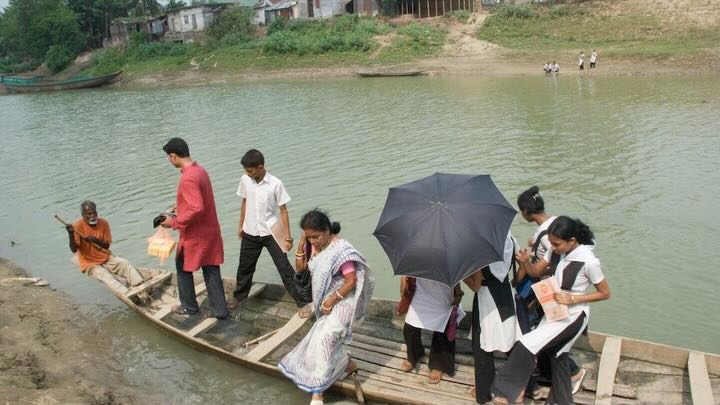
Care begins with people.
In many communities, especially outside cities, the availability of doctors and hospitals is limited. But the need for daily care, maternal support, and health guidance remains constant.
This is where local caregivers - especially nurses and midwives - become the foundation of healthcare access.
The Nurse & Midwife Network focuses on building a trained, supported, and trusted workforce within the community itself.
Strong care systems are built by strong people, not just infrastructure.
What Is the Nurse & Midwife Network
The Nurse & Midwife Network is a structured program that:
- Identifies and trains local women
- Builds caregiving and health support skills
- Provides ongoing supervision and guidance
- Connects them to a larger care system
It is not just training - it is a complete workforce development model for care.
Why Local Caregivers Matter
In many real situations:
- Patients are more comfortable with familiar faces
- Women prefer female caregivers for sensitive care
- Language and cultural understanding improve communication
- Regular follow-ups require local presence
External healthcare providers cannot always provide this consistency.
Local caregivers bridge this gap by combining trust, accessibility, and continuity.
How the System Works
The network is designed as a structured pipeline, not an informal setup.
Step 1: Identification and Enrollment
Women from the local community are identified based on:
- Interest in caregiving
- Basic education and ability to learn
- Commitment to work
This ensures long-term reliability.
Step 2: Structured Training (EduCareNet)
Training includes:
- Basic caregiving and patient support
- Maternal and child health
- Hygiene and infection control
- Nutrition and preventive care
- Basic emergency awareness
This builds both skill and discipline.
Step 3: Supervised Field Work
After training:
- Caregivers begin working in real situations
- Initial assignments are supervised
- Feedback and correction are continuous
This ensures quality control.
Step 4: Ongoing Support and Coordination
Caregivers are connected to a system:
- Guidance from supervisors and coordinators
- Support from doctors when needed
- Structured workflows to follow
They are not working alone, but within a network.
Step 5: Continuous Skill Development
Over time:
- Skills are upgraded
- Responsibilities increase
- Roles evolve into senior caregivers or trainers
Training is not a one-time activity. It is a continuous process.
What This Enables
Better Care Delivery
- Consistent presence in the community
- Regular monitoring and follow-ups
- Improved patient comfort and trust
Improved Maternal and Child Health
- Pregnancy monitoring
- Postnatal support
- Child health tracking
Stronger Preventive Care
- Awareness on hygiene and nutrition
- Early detection of issues
- Reduced health risks
Reliable First Response Layer
- Immediate support in basic emergencies
- Faster activation of the care system
Livelihood and Empowerment
This model also creates sustainable opportunities.
Local women:
- Earn through caregiving roles
- Build professional skills
- Gain respect and independence
This transforms care work into a structured and dignified profession.
Integration with the WARA Care System
The Nurse & Midwife Network connects directly with:
- EduCareNet → Training and certification
- HomeCareNet → Daily care delivery
- ElderCareNet → Monitoring and coordination
- HealthCareNet → Medical support
- DharmaCareNet → Community-level deployment
- Platform (Care Ledger) → Tracking and supervision
This ensures that caregivers are part of a connected system, not isolated workers.
Why Structure Matters
Untrained or unsupported caregiving can lead to:
- Inconsistent quality
- Poor decision-making
- Lack of accountability
A structured system ensures:
- Standardized care delivery
- Continuous supervision
- Reliable outcomes
Long-Term Impact
Building a local care workforce creates lasting change:
- Increased healthcare access
- Reduced dependency on distant facilities
- Better community health outcomes
- Stronger local economies
When caregivers grow within communities, care becomes sustainable.
Final Thought
Healthcare systems are only as strong as the people delivering care.
The Nurse & Midwife Network ensures that every community has trained, supported, and trusted caregivers who can provide consistent and reliable support.
When you build caregivers within a community, you strengthen the entire system.