Partner Pathology Labs - Faster Diagnosis, Smarter Care at the Local Level
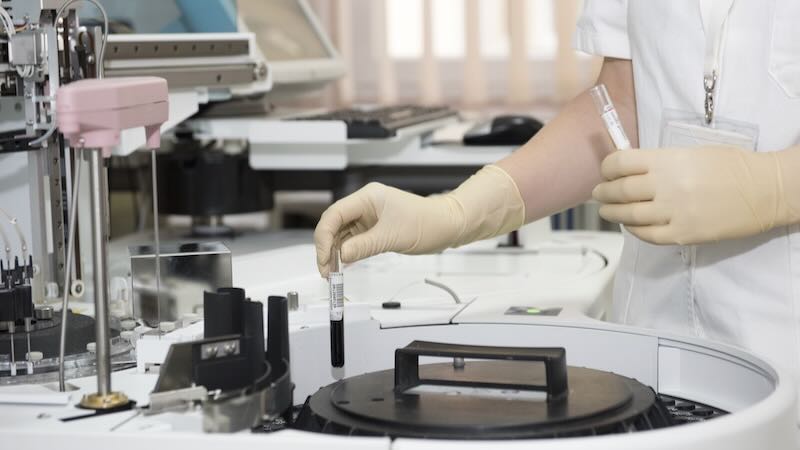
Diagnosis should not be delayed because of distance.
In many areas, especially rural and semi-urban regions, even a basic test can mean hours of travel, added expenses, and waiting days for results. During this time, treatment is delayed, and small issues can turn into serious conditions.
Partner Pathology Labs are designed to solve this gap by bringing diagnostic access closer to the patient, while keeping quality and accuracy intact.
Treatment begins with diagnosis. Delayed diagnosis means delayed care.
What Are Partner Pathology Labs
Partner Pathology Labs are part of a connected care system where:
- Samples are collected locally
- Testing is done at certified labs
- Results are shared digitally
- Doctors review and act quickly
They act as a bridge between local access and centralized expertise.
Instead of moving the patient, the system moves the process.
Why Diagnostics Are Critical
Many medical decisions depend on accurate and timely test results.
Without proper diagnostic access:
- Conditions remain undiagnosed
- Treatment is delayed
- Doctors rely on incomplete information
- Follow-ups become inconsistent
Diagnostics are not optional - they are the foundation of effective care.
How the System Works
The process is simple for the patient, but coordinated behind the scenes.
Step 1: Doctor Recommends Tests
During consultation:
- Required tests are identified
- Orders are recorded in the system
This ensures clarity and avoids unnecessary testing.
Step 2: Local Sample Collection
A trained caregiver or health worker collects samples:
- Blood, urine, or other required tests
- Done at home or local center
This removes the need for travel.
Step 3: Sample Transfer to Partner Lab
Samples are sent to a certified nearby lab:
- Selected based on quality and reliability
- Ensures accurate testing standards
Step 4: Digital Report Generation
Test results are uploaded to a structured system (similar to Care Ledger / EMR):
- Reports are stored
- Doctors receive access immediately
- Records remain available for future reference
Step 5: Doctor Review and Treatment Update
The doctor reviews results and:
- Confirms or updates diagnosis
- Adjusts medication
- Recommends next steps
All without requiring the patient to travel again.
The patient stays in place. The system moves faster.
What This Changes for Patients
Faster Diagnosis
- Reduced waiting time
- Early identification of issues
- Quicker start of treatment
Lower Cost
- No travel expenses
- No repeated visits
- Reduced indirect costs
Better Continuity
- Reports stored and accessible
- Easier follow-up consultations
- Improved long-term care
Improved Accuracy
- Doctors work with complete data
- Reduced guesswork
- Better treatment decisions
Role of Local Caregivers
Local caregivers and health workers play a key role:
- Sample collection
- Patient coordination
- Follow-up support
This ensures that diagnostics are accessible and reliable within the community.
Integration with the WARA Care System
Partner Pathology Labs work as part of a larger ecosystem:
- HealthCareNet → Doctor consultation and diagnosis
- HomeCareNet → Ongoing support at home
- ElderCareNet → Monitoring and coordination
- DharmaCareNet → Community-level access
- Platform (Care Ledger) → Data tracking and visibility
This ensures that diagnostics are not isolated, but part of a continuous care flow.
Why Coordination Matters
Diagnostics alone are not enough.
The real value comes from:
- Connecting results to doctors
- Linking diagnosis to treatment
- Ensuring follow-ups happen
Without coordination, reports become disconnected pieces of information.
With a system, they become actionable insights.
Challenges in Implementation
To make this model reliable, certain factors are critical:
- Quality of partner labs
- Timely sample transport
- Accurate data entry
- System integration
Without these, delays and errors can occur.
With structure, diagnostics become dependable.
A Step Toward Accessible Healthcare
Healthcare should not depend on location.
By combining:
- Local sample collection
- Trusted lab partnerships
- Digital reporting
- Coordinated doctor access
Partner Pathology Labs make diagnostics faster, more accessible, and more effective.
Final Thought
A simple test at the right time can prevent a major health crisis.
Partner Pathology Labs ensure that diagnosis is no longer a barrier, but a foundation for better care.
When diagnosis is fast and connected, treatment becomes timely and effective.