Yoga
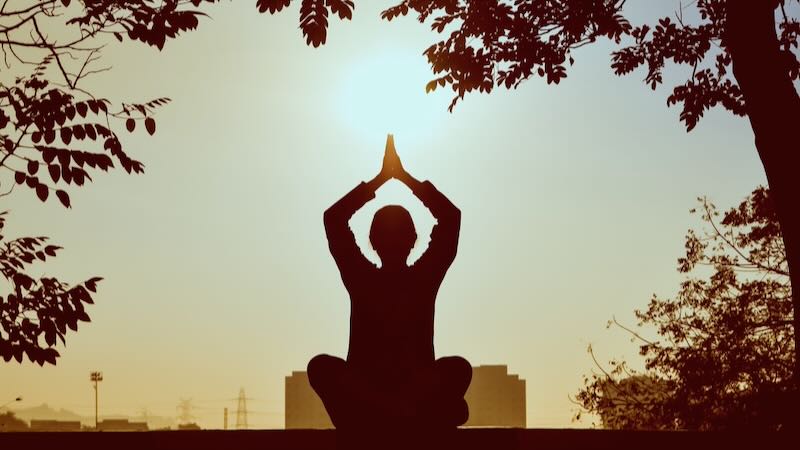
Balance the Body, Train the Mind, Stabilize Life
Yoga is more than exercise—it is a system of self-regulation. It teaches how to manage the body, calm the mind, and maintain balance in daily life. In a world of stress, distraction, and lifestyle disorders, Yoga offers a structured way to restore clarity, improve resilience, and sustain long-term health through discipline and awareness.
What is Yoga
Yoga is an ancient Indian system of health and self-development that integrates:
- Physical movement
- Breath regulation
- Mental focus
- Inner awareness
It is not limited to flexibility or posture. At its core:
Yoga is the science of aligning body, breath, and mind
It is widely used today for:
- Stress reduction
- Recovery and rehabilitation
- Lifestyle disease management
- Mental clarity and emotional balance
Core Principles of Yoga
🧘 Ashtanga Yoga (Eight Limbs)
Defined by Sage Patanjali, Yoga follows an eight-fold path:
- Yama – Ethical discipline
- Niyama – Personal discipline
- Asana – Physical postures
- Pranayama – Breath control
- Pratyahara – Sense withdrawal
- Dharana – Concentration
- Dhyana – Meditation
- Samadhi – Higher awareness
👉 This shows Yoga is not just physical—it is a complete life system
🌿 Pancha Kosha (Five Layers of Being)
Yoga understands the human system in five layers:
- Physical body
- Energy body
- Mental body
- Wisdom body
- Bliss state
Imbalance in any layer affects overall health.
Why Yoga Matters Today
Modern life creates:
- Constant stress
- Poor posture
- Sleep disorders
- Anxiety and burnout
Yoga directly addresses these by:
- Regulating the nervous system
- Improving breathing efficiency
- Enhancing body awareness
- Stabilizing mental patterns
It is especially useful for:
- Office professionals
- Elderly individuals
- Patients recovering from illness
- People with chronic stress
How Yoga Works
Yoga operates through three core mechanisms:
🔄 Body (Asana)
- Improves strength and flexibility
- Enhances circulation
- Corrects posture
🌬 Breath (Pranayama)
- Regulates oxygen and energy flow
- Balances the nervous system
- Reduces anxiety
🧠 Mind (Meditation)
- Improves focus
- Reduces stress
- Builds emotional stability
Yoga in Practical Life
Yoga is most effective when applied daily.
🟢 Recovery
- Post-illness rehabilitation
- Mobility improvement
- Breathing recovery
🟢 Chronic Conditions
- Diabetes support
- Hypertension
- Back pain and joint issues
🟢 Mental Health
- Anxiety and stress
- Sleep disorders
- Emotional imbalance
🟢 Preventive Health
- Immunity improvement
- Energy balance
- Lifestyle discipline
Types of Yoga Practices
🧍 Asana (Postures)
- Physical alignment and strength
- Used for body correction
🌬 Pranayama (Breathing)
- Breath control techniques
- Improves lung capacity and calmness
🧘 Meditation (Dhyana)
- Mental clarity and awareness
- Reduces overthinking
🧹 Kriyas (Cleansing)
- Neti, Kapalabhati
- Detoxification practices
🔒 Mudras & Bandhas
- Energy control techniques
- Used in advanced practices
😴 Yoga Nidra
- Deep relaxation
- Effective for stress and burnout
Yoga Therapy (Clinical Use)
Yoga is now widely used as complementary therapy.
It helps in:
- Hypertension
- Diabetes
- Asthma
- Depression
- Spine disorders
👉 Works best when combined with medical guidance
Diagnosis in Yoga Therapy
Yoga diagnosis is holistic:
- Posture observation
- Breathing pattern analysis
- Lifestyle assessment
- Mental state evaluation
Focus is on:
Understanding imbalance → Designing personalized practice
Role of Discipline in Yoga
Yoga works only with consistency.
Key elements:
- Daily routine
- Controlled breathing
- Mindful movement
- Regular practice
Yoga is not instant relief—it is gradual transformation
Education & Career Path
🎓 Courses
- Certificate in Yoga
- Diploma in Yoga Therapy
- B.Sc / M.Sc in Yoga
- BNYS (Yoga + Naturopathy)
👨⚕️ Career Options
- Yoga instructor
- Therapist
- Wellness coach
- Rehabilitation specialist
- Research and teaching
Regulation & Certification
Yoga is governed by:
- Ministry of AYUSH
- Yoga Certification Board (YCB)
- CCRYN (Research body)
👉 Certification ensures credibility and quality
Yoga in Modern Healthcare
Yoga is now integrated into:
- Hospitals
- Rehabilitation centers
- Corporate wellness programs
- Mental health therapy
It bridges:
Physical health + Mental stability + Lifestyle discipline
Important Note
Yoga is:
- Safe when practiced correctly
- Adaptable for all age groups
- Most effective when personalized
However:
- Avoid self-practice in medical conditions without guidance
- Follow structured programs
Final Thought
Yoga teaches:
Control the breath → Calm the mind → Stabilize life
It is not just a practice—it is a system of living that builds:
- Strength
- Clarity
- Balance
And over time:
Transforms how you live, not just how you move